

TL;DR
Adding batteries to a solar system can provide backup power during outages and help some Pacific Northwest homeowners use more of their own solar energy, but it’s not a must-have for everyone. Whether storage makes sense for your home depends on your outage risk, utility rates, and budget.
Intro
As storms, wildfires, and grid stress events make headlines, more homeowners in Washington and Oregon are asking about batteries alongside solar. They want to know if storage will keep their lights on during outages, whether it improves payback, and what changes when you pair solar with a battery. This overview is designed to give you a clear, practical sense of how batteries fit into a typical PNW solar setup so you can decide whether they belong in your plan now, later, or not at all.
Key Takeaways
- Batteries can provide backup power for selected circuits during outages, but they don’t usually back up an entire home indefinitely.
- In many PNW utility territories, the main financial benefit of batteries is increasing self-consumption, not arbitrage between wildly different day/night rates.
- Not every home needs storage on day one; some systems can be designed with “battery-ready” components for a future upgrade.
- A good battery plan starts with your critical loads, outage patterns, and what you’re trying to protect—comfort, business continuity, or basic safety.
What Batteries Actually Do in a Grid-Tied System
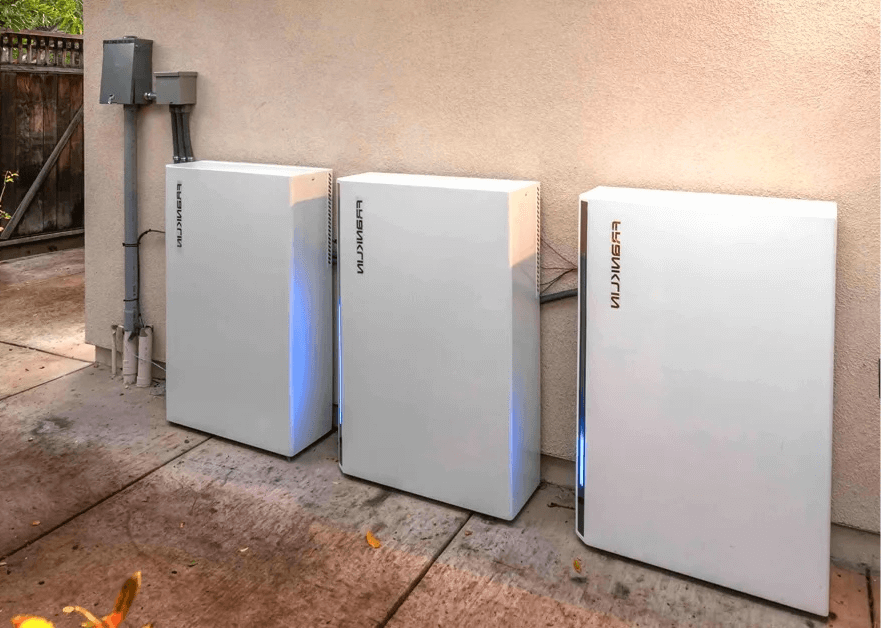
In a typical grid-tied solar-plus-battery setup, the battery is charged primarily from your solar array when there is surplus production. During normal operation, your home will draw from solar first, then from the battery (if programmed that way), and finally from the grid when needed.
When the grid goes down, a properly configured system can isolate (or “island”) a designated set of circuits in your home—such as lights, refrigerator, some outlets, or a home office—so they can continue running from the battery and any available solar production. The exact behavior depends on the inverter, battery system, and how your electrician configures the backup loads.
It’s important to understand that most residential batteries are not sized to run an entire home at full power for days. They’re usually designed to keep critical loads running for hours to perhaps a day or two, depending on usage, capacity, and weather.
When Batteries Tend to Make Sense in the PNW
Batteries aren’t necessary for every solar install in Washington or Oregon, but there are patterns where they’re worth serious consideration:
- You live in an area with frequent or extended outages due to storms, wildfires, or remote infrastructure.
- You rely on electricity for critical needs like medical equipment, a well pump, or home office infrastructure that can’t easily go down.
- Your utility offers rate structures or programs that reward using stored energy at certain times of day.
- You place a high personal value on resilience and are comfortable treating a portion of the cost as an insurance-like expense.
On the other hand, if outages are rare and short, and your utility’s rates don’t strongly reward shifting energy use, a battery may be more about peace of mind than strict financial return.
Designing a “Battery-Ready” Solar System
If you’re interested in storage but not ready to invest in it yet, you can still plan ahead. Many homeowners choose to install a solar system that uses components compatible with future batteries, even if the initial project doesn’t include storage.
This might involve:
- Choosing an inverter or system architecture that supports later battery integration.
- Ensuring there is space in your electrical panel and on nearby walls for future equipment.
- Discussing with your installer how backup loads might be split off in the future.
Taking these steps doesn’t lock you into adding a battery later, but it can make the upgrade simpler and potentially less expensive if you decide to proceed in a few years.
Questions to Ask Before Adding Storage
Before you commit to a battery, it helps to get specific about what you want it to do. Some useful questions include:
- Which circuits or devices absolutely need to stay on during an outage, and for how long?
- How often do outages occur in your area, and what have past events looked like?
- How will your utility bill change with solar-plus-storage compared to solar alone?
- What maintenance, warranty, and replacement timelines should you expect for the battery system?
Clear answers to these questions will help you and your installer size the system appropriately and avoid over- or under-building your backup solution.
Closing
For Pacific Northwest homeowners, batteries can be a powerful addition to a solar system—but only when they match real needs. They shine in homes where outages are a real concern or where using more on-site solar energy aligns with personal or financial goals.
If you’re considering storage, start by listing your critical loads and reviewing your outage history. Then, talk with an installer about whether a full battery now or a “battery-ready” design for the future fits best with your home, budget, and peace of mind.
