

TL;DR
- Solar panels can make a home more attractive to buyers, especially in Washington and Oregon.
- Solar does not guarantee a dollar-for-dollar increase in home value.
- Owned solar systems are usually easier to sell with a home than leased systems or power purchase agreements.
- Buyers care about system age, ownership, roof condition, warranties, and electric bill savings.
- Appraisers may value solar differently depending on local market data and documentation.
- The best reason to install solar is a mix of lower electric bills, long-term energy savings, and potential resale appeal.
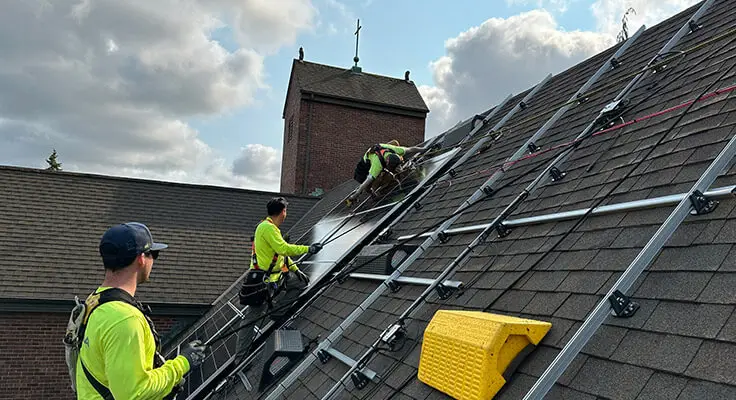
Do solar panels increase home value?
Solar panels can make a home more appealing to buyers, but they do not automatically increase the sale price by the full cost of the system.
In Washington and Oregon, solar is becoming more familiar to homebuyers. Many see it as a positive feature because it can help lower electric bills and reduce exposure to future utility rate increases.
But solar is still one part of the larger home value picture. Buyers also care about location, price, roof condition, home maintenance, energy efficiency, and the local housing market.
The honest answer: solar can help, but it is not a guaranteed resale windfall.
What buyers want to know about solar homes
A solar-equipped home can stand out, especially when the system is easy to understand.
Most buyer questions come down to five things:
- Who owns the solar system?
- How old is the system?
- How much electricity does it produce?
- What condition is the roof in?
- Are warranties and maintenance records available?
Clear answers help buyers feel more confident. Confusion slows things down.
If you plan to sell a home with solar, organize the system details before listing.
Owned solar is usually simpler at resale
Ownership matters.
An owned solar system is usually easier to transfer when selling a home. If the system is paid off, or if the seller plans to pay off the loan at closing, the buyer gets the benefit of an installed energy asset.
Leased systems and power purchase agreements can be more complicated. Buyers need to understand the contract, monthly payments, transfer terms, and any obligations they would be taking on.
| Solar setup | Resale impact |
|---|---|
| Owned and paid off | Usually simplest for buyers |
| Financed but paid off at closing | Often straightforward |
| Solar loan transferred to buyer | Depends on loan terms and buyer comfort |
| Lease or power purchase agreement | May require more explanation and paperwork |
Bottom line: If resale matters to you, ask about ownership structure before choosing how to finance solar.
Appraisals may not capture the full value of solar
Solar value can show up differently in an appraisal than it does in a buyer’s mind.
Appraisers rely on comparable home sales, local market data, and documentation. In areas where solar homes are common, appraisers may have better data to work with. In markets where solar is less common, the value may be harder to quantify.
That is why documentation matters.
Keep these solar records
- System size in kilowatts
- Installation date
- Equipment make and model
- Warranty information
- Production history
- Utility bills before and after solar, if available
- Maintenance records
- Financing or ownership documents
These details help appraisers, real estate agents, and buyers understand what the system does and how it may affect the home’s operating costs.
Solar can help your home stand out
Even when solar does not produce a clear appraisal bump, it may still help a home stand out.
Some buyers like the idea of lower monthly electric bills. Others value clean energy, energy independence, or protection from rising utility rates.
Solar may be especially attractive to buyers who:
- Own or plan to buy an electric vehicle
- Work from home
- Use more electricity during the day
- Want lower long-term operating costs
- Care about sustainability
- Are comparing similar homes in the same area
When two homes are otherwise similar, solar can be a meaningful differentiator.
What to consider if you may move soon
If you think you may sell your home in the next few years, solar can still make sense. But you should look at the full picture.
- How long do you expect to live in this home?
- How much could solar reduce your electric bills while you live there?
- Will you own the system or finance it?
- How old is your roof?
- Are solar homes common in your local market?
- Will the system be easy to explain to a future buyer?
The strongest case for solar is not resale alone. It is the combination of bill savings, energy control, clean power, and potential resale appeal.
The bottom line
Solar panels can make a home more attractive to buyers in Washington and Oregon, especially when the system is owned, well-documented, and in good condition.
But solar does not guarantee a specific increase in home value.
Think of solar as part of your home’s larger energy story. It can lower electric bills while you live there, reduce exposure to rising utility rates, and help your home stand out when it is time to sell.
Thinking about solar before a future home sale?
If resale is part of your decision, talk with both a solar installer and a local real estate professional.
A&R Solar can help you understand system ownership, expected production, utility savings, and how solar may fit into your long-term plans.
FAQ: Solar panels and home value
Do solar panels increase home value?
Solar panels can increase buyer interest and may support a higher sale price in some markets, but they do not guarantee a specific dollar increase.
Is owned solar better than leased solar when selling a home?
Owned solar is usually simpler at resale. Leases and power purchase agreements can transfer, but buyers need to understand the terms.
Do appraisers count solar panels?
Sometimes. Appraisers may consider solar when there is clear documentation and enough local market data. Organized records can help.
What solar documents should I keep for resale?
Keep system size, installation date, production records, warranties, utility bills, maintenance records, and ownership or financing documents.
Can solar help a home sell faster?
It can, especially when buyers value lower electric bills and clean energy. But sale speed still depends on price, location, condition, and the local market.
Should I install solar if I plan to move soon?
Maybe. Look at your timeline, expected bill savings, ownership structure, roof condition, and local buyer demand before deciding.
Consider talking with both a solar installer and a local real estate professional before you move forward. Together, they can help you understand how solar-equipped homes are performing in your specific market and how that aligns with your plans.