

Does Solar Even Work Here?
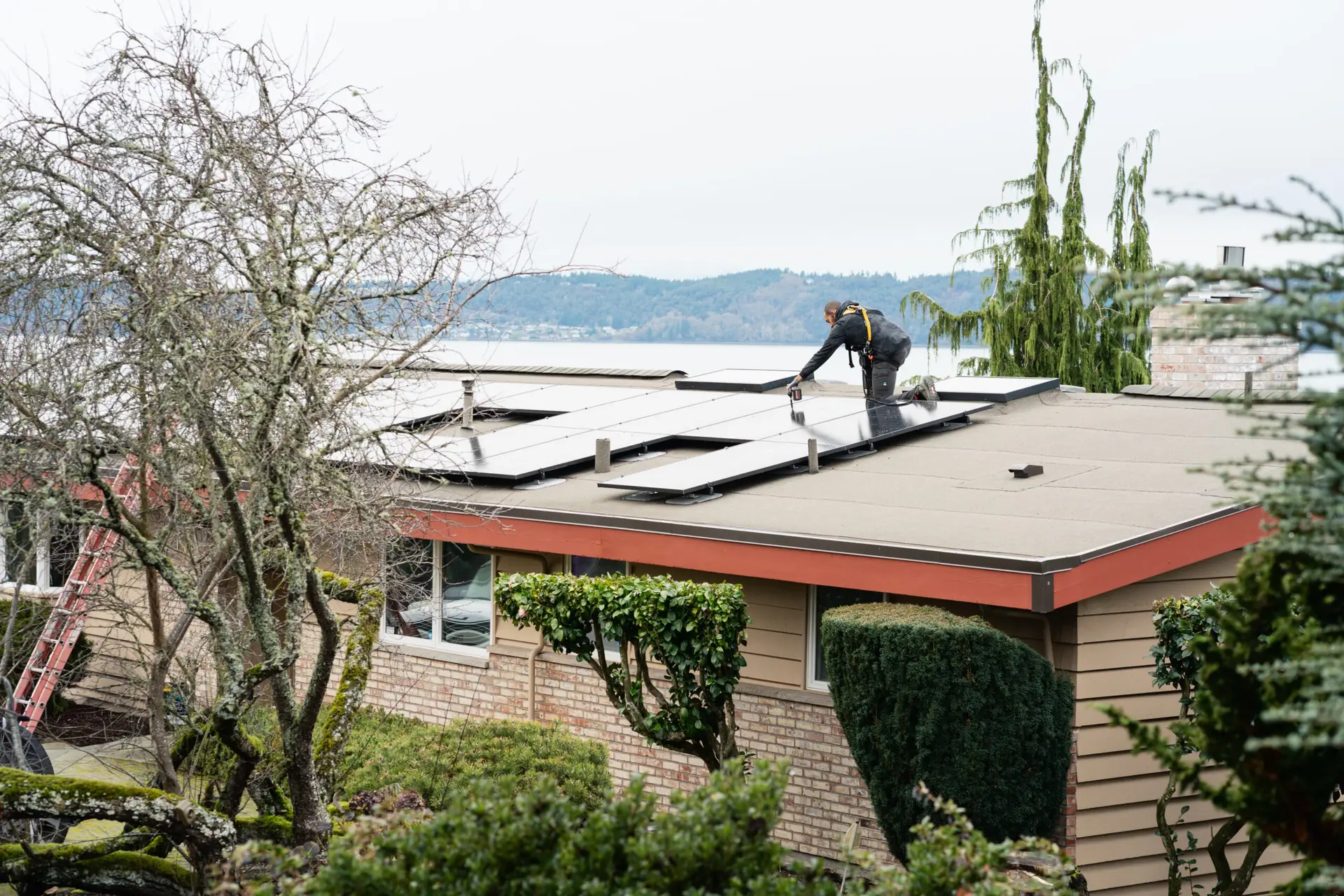
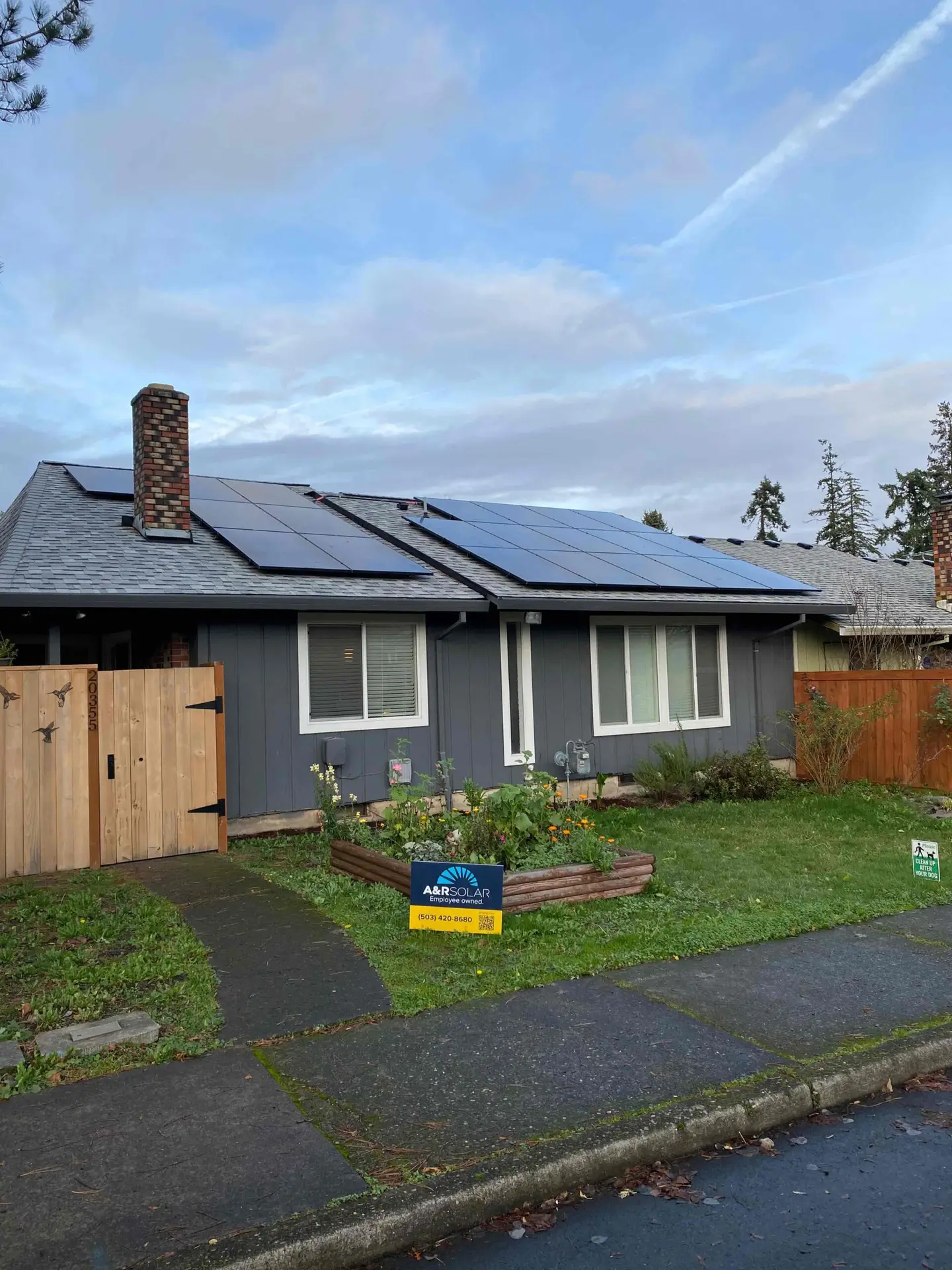
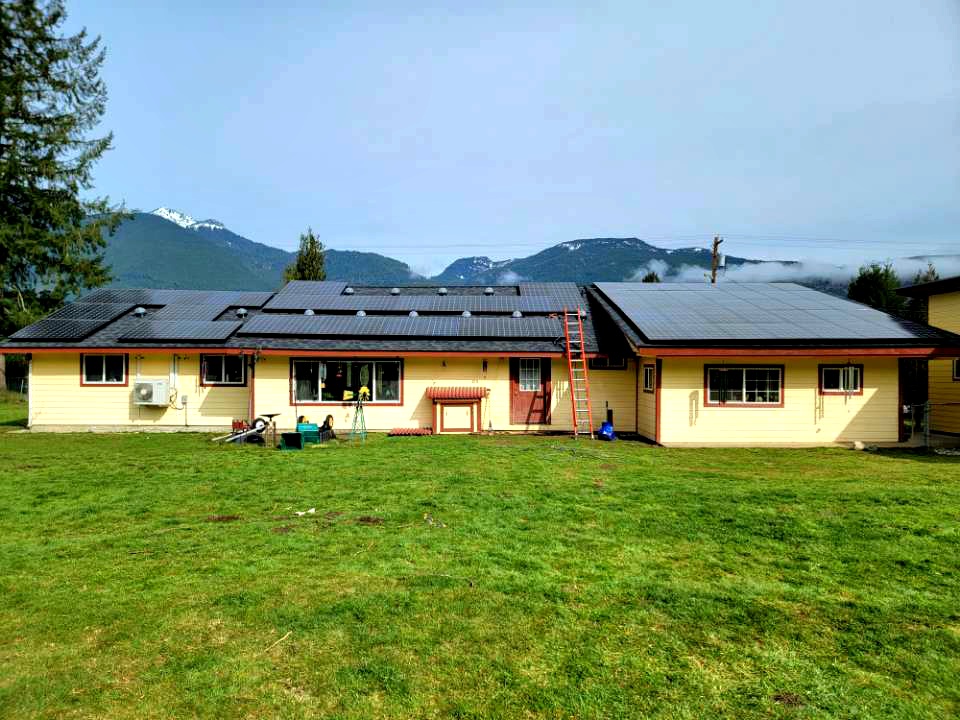
Yes. Solar panels generate electricity from daylight, not direct sunshine. Modern panels are far more efficient in low-light conditions than they were five years ago, and western Washington gets enough sun to make the economics work for most homes. The real question is whether the numbers work for your home. Let’s get into it.What’s Happening With PSE Rates
This is where it gets significant.- PSE residential rates have increased more than 30% cumulatively since 2023
- January 2025: +12% — average 800 kWh bill hit ~$122/month
- January 2026: +6.3%, plus an additional ~12% approved in late 2025 — roughly $17 more per month for the average customer
- 2027 filing already submitted: if approved, a typical customer could see their bill jump ~$28/month in early 2027, with further increases in 2028 and 2029
A Time-Sensitive Note on Net Metering
 PSE has already crossed Washington’s statutory net metering threshold.
Customers who install solar now are grandfathered under current terms — which credit excess generation at the full retail rate. Customers who wait may face less favorable future rates.
This isn’t invented urgency. It’s written into state law (RCW 80.60).
PSE has already crossed Washington’s statutory net metering threshold.
Customers who install solar now are grandfathered under current terms — which credit excess generation at the full retail rate. Customers who wait may face less favorable future rates.
This isn’t invented urgency. It’s written into state law (RCW 80.60).
What PSE Customers Say
How Net Metering Works
When your panels produce more than your home is using, excess power flows back to the grid. PSE credits your account at the retail rate. Summer surplus carries forward to offset winter usage. Many PSE solar customers end up with dramatically reduced annual bills — some close to net-zero on an annualized basis.PSE Territory and Power Outages
 If you’re a PSE customer, you already know: the lights go out here more than you’d like. There’s a structural reason for that.
PSE serves a 6,000-square-mile territory — largely suburban and rural, heavily forested, with above-ground lines running through areas full of tall, mature trees. When storms hit, trees come down and take the lines with them.
The November 2024 bomb cyclone made this impossible to ignore. More than 750,000 western Washington homes lost power — one of the largest outages in the region in decades. Restoration took days, especially in:
- Issaquah
- Sammamish
- Mercer Island
- Maple Valley
- Enumclaw
- North Bend
PSE has noted that easterly winds cause disproportionate damage — trees root against the prevailing westerly winds, leaving them especially vulnerable when wind comes from the other direction.
This isn’t a PSE failure. It’s geography. But it does mean PSE customers face a real, recurring reliability risk that most urban utility customers don’t.
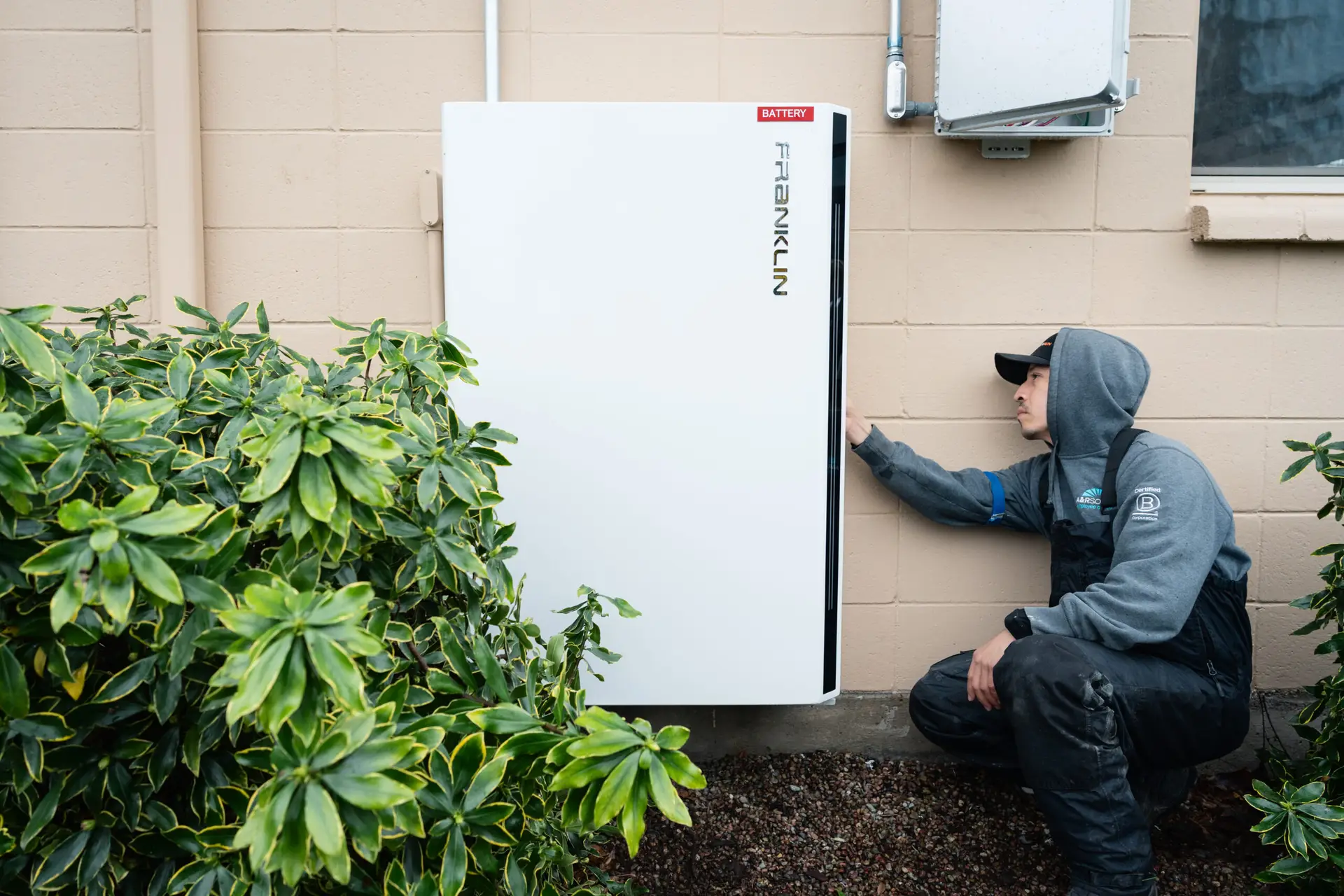
Battery storage changes that equation.
PSE’s Flex Batteries Program
PSE’s Flex Batteries program is one of the stronger utility battery incentive programs in the country — and it’s available exclusively to PSE customers. If you add battery storage to your solar system, you may be eligible for: Up to $10,000 in enhanced upfront incentives toward equipment and installation
 $75/kWh enrollment reward — up to $1,000 per battery
 Up to $500/year for participating in grid Flex events
What Does a System Actually Cost?
A typical western Washington residential system runs 6kW–10kW. Installed costs generally fall in the $18,000–$30,000 range before incentives. Washington also offers a full sales tax exemption on solar equipment and installation — in effect through December 2029. That’s a meaningful upfront savings with no Oregon equivalent. Many PSE homeowners are seeing payback periods in the 7–10 year range, with 15–20+ years of dramatically reduced energy costs after that. Get a free quote — no obligation →What to Look for in an Installer
Solar warranties are 25-year promises. Not every company in business today will be around to honor one. Ask any installer:- Do they use their own crews? Subcontractors change who’s accountable years down the road.
- How long have they been in business? Five years isn’t a track record.
- Are they actually local? A regional sales office isn’t the same as a company rooted here.
- Who owns the company? Employee-owned companies have a direct stake in every job they do.
About A&R Solar
We’ve been installing solar across western Washington since 2007. Employee-owned. B Corp certified. In-house crews on every job. We’re not the right fit for every home — and we’ll tell you that upfront. If your roof isn’t a good solar candidate, we’d rather tell you now. Get a Free Quote →Frequently Asked Questions
Does PSE credit me for excess power?
Yes — at the retail rate. Summer surplus carries forward to offset winter usage.What happens on cloudy days?
Panels still generate power, just less of it. Systems are sized to account for seasonal variation.What if part of my roof is shaded?
Shading is the biggest variable. A good installer evaluates your specific roof before recommending a system. Panel-level optimizers can help on partially shaded roofs.Does battery storage work during a PSE outage?
Yes — that’s one of its primary functions. When grid power goes down, a battery-backed solar system automatically switches to stored power, keeping essential circuits running without any action on your part.How long does installation take?
Around 2 days on-site. Permitting and utility interconnection typically add 4–8 weeks.What warranties should I expect?
Panels: 25 years. Inverter: 10–12 years. Ask specifically about the workmanship warranty — it varies significantly between companies (A&R Solar is 10 years.)Cities We Serve
A&R Solar serves Puget Sound Energy customers throughout the region, including Bellevue, Issaquah, Kirkland, Mercer Island, Redmond, Sammamish, Woodinville, Auburn, Covington, Enumclaw, Federal Way, Kent, Maple Valley, Renton, Bothell, Duvall, Kenmore, North Bend, Snoqualmie, Bonney Lake, Puyallup, Gig Harbor, Lakewood, University Place, Olympia, Lacey, Tumwater, Yelm, Mount Vernon, Burlington, Bremerton, Silverdale, Port Orchard, Poulsbo, and more.
Not sure if we serve your area? Contact us and we’ll let you know.