

TL;DR
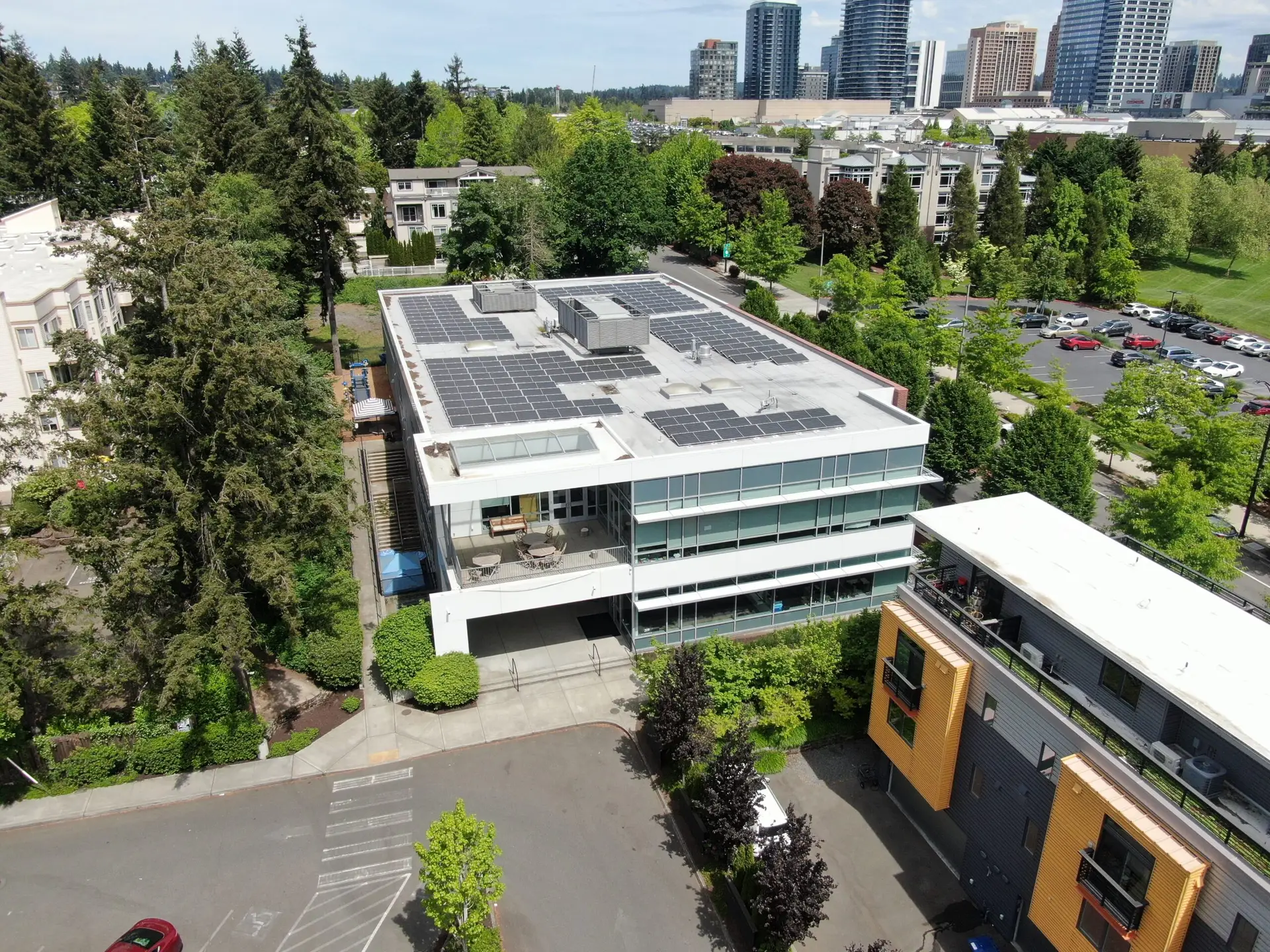
- Boys & Girls Clubs of Bellevue partnered with A&R Solar to install a 94 kW solar energy system at its 100th Ave NE facility.
- The system includes 177 high-efficiency Silfab solar modules.
- It is expected to produce nearly 100,000 kWh of electricity each year.
- The project is projected to save the Club nearly $12,000 in energy costs in the first year.
- A $100,000 Puget Sound Energy grant and federal incentives helped cover about 77% of the project cost in year one.
- The estimated payback period is about five years.
- Over 25 years, the system is projected to deliver more than $685,000 in financial value.
- Those savings can go back into after-school care, meals, athletics, mentorship, and programs for Bellevue youth.
Solar for nonprofits: why this Bellevue project matters
For nonprofits, energy costs are not just another monthly bill. They affect how much money is available for programs, staffing, meals, mentorship, and community support.
That’s why the Boys & Girls Clubs of Bellevue partnered with A&R Solar to install a 94 kW solar array at its 100th Ave NE facility.
The system is projected to save the Club nearly $12,000 in energy costs in its first year. Over time, those savings can help the Club redirect more resources toward the kids and families it serves.
This project also shows how solar incentives, utility grants, and long-term energy planning can make solar power more accessible for nonprofits and community organizations.
Project snapshot
| Project detail | Description |
|---|---|
| Organization | Boys & Girls Clubs of Bellevue |
| Location | 100th Ave NE facility in Bellevue, Washington |
| Solar installer | A&R Solar |
| System size | 94 kW |
| Solar modules | 177 high-efficiency Silfab modules |
| Expected annual production | Nearly 100,000 kWh |
| First-year energy savings | Nearly $12,000 |
| Utility grant | $100,000 from Puget Sound Energy |
| Federal incentive | 30% federal tax credit through elective pay |
| Estimated payback | About 5 years |
| Projected 25-year value | More than $685,000 |
What does a 94 kW solar system do for a community facility?
A 94 kW solar system can offset a meaningful share of a facility’s daily electricity use. For a busy community hub like the Boys & Girls Clubs of Bellevue, that matters.
The building serves kids, families, staff, and volunteers throughout the week. It uses electricity for lighting, heating and cooling support, kitchen needs, technology, offices, and daily programming.
Solar helps reduce the amount of electricity the Club needs to buy from the grid. That means lower utility bills and more predictable energy costs over time.
For the Club, solar is not just an environmental decision. It is a financial decision that supports its mission.
Recommended photo placement:
Insert wide rooftop solar photo here.
Built for long-term energy savings
The Bellevue system uses equipment backed by a 30-year performance warranty. That means the solar array is designed to keep producing power for decades.
The panels are expected to maintain at least 89% of their original output after 30 years.
That long-term performance matters for a nonprofit. When an organization can count on steady solar production, it can better plan for future operating costs.
The savings from solar can help protect the Club from rising utility rates and create more room in the budget for youth programs.
How grants and solar incentives made the project possible
For many nonprofits, solar can feel financially out of reach. This project shows how the numbers can change when grants and incentives come together.
The Boys & Girls Clubs of Bellevue secured a $100,000 grant from Puget Sound Energy. The Club also used the 30% federal tax credit, which is now available to eligible nonprofits through elective pay.
Together, those incentives helped the Club recover about 77% of its solar investment in the first year.
That changes the conversation.
Instead of waiting decades to see the financial benefit, the Club is expected to reach payback in about five years. After that, the system continues producing electricity and delivering savings.
What is elective pay for nonprofits?
Elective pay, also called direct pay, allows eligible tax-exempt organizations to benefit from certain clean energy tax credits.
That matters because nonprofits typically do not have federal tax liability. In the past, that made it harder for nonprofits to directly use solar tax credits.
With elective pay, eligible nonprofits can receive the value of the federal clean energy tax credit as a payment. This can make solar projects much more accessible for schools, churches, tribes, municipalities, and nonprofit organizations.
For the Boys & Girls Clubs of Bellevue, elective pay helped turn solar from a long-term idea into a practical investment.
Quote from Boys & Girls Clubs of Bellevue
“Every dollar we save on energy costs is a dollar we reinvest in programs for kids,” said Tim Motts, President and CEO of the Boys & Girls Club of Bellevue. “That means more athletics, before- and after-school care, meals, and staff who show up every day for young people who need them. We’re grateful to PSE and A&R Solar for helping us invest in the future.”
What can nearly $12,000 in energy savings support?
Nearly $12,000 in first-year energy savings can make a real difference for a youth-serving nonprofit.
That money can help support:
- Before- and after-school programs
- Meals and snacks for kids
- Athletics and enrichment activities
- Mentorship programs
- Staff time
- Safe, welcoming spaces for young people
- Long-term planning for facility needs
Solar does not replace fundraising, grants, or community support. But it can reduce a major operating cost and free up dollars for the work that matters most.
A community-first solar project
A&R Solar has installed solar across Washington and Oregon since 2007. But projects like this hit differently.
When a youth-serving organization lowers its operating costs, the benefit goes straight back into the community.
This system came together through a partnership between the Boys & Girls Clubs of Bellevue, Puget Sound Energy, and A&R Solar’s employee-owned team.
It is a practical investment with visible results:
- Lower utility bills
- More money available for youth programs
- Long-term energy savings
- Reduced reliance on the grid
- A real-world clean energy example for kids and families
For the kids walking through those doors, solar is not abstract. They can see clean energy working right above them.
Recommended photo placement:
Insert close-up solar installation detail here.
Why solar makes sense for nonprofits in Washington
Solar can be a strong fit for nonprofits, schools, community centers, and other mission-driven organizations in Washington.
Many of these buildings have large roofs, steady daytime energy use, and long-term community value. That combination can make solar especially useful.
Solar may help nonprofits:
- Reduce monthly electricity costs
- Stabilize long-term operating expenses
- Use grants and incentives to lower upfront costs
- Demonstrate environmental leadership
- Reinvest savings into programs and services
- Improve resilience against future utility rate increases
The best place to start is with 12 months of utility bills. That gives a solar team the information needed to estimate system size, production, savings, incentives, and payback.
Frequently asked questions about nonprofit solar
Can nonprofits use the federal solar tax credit?
Yes, eligible nonprofits may be able to use the federal solar tax credit through elective pay, also known as direct pay. This allows qualifying tax-exempt organizations to receive the value of certain clean energy tax credits as a payment.
How long does it take for a nonprofit solar project to pay for itself?
Payback depends on system size, utility rates, incentives, grants, energy use, and project cost. For the Boys & Girls Clubs of Bellevue project, the estimated payback period is about five years.
Do solar panels work in the Pacific Northwest?
Yes. Solar works well in Washington and Oregon. While the region has cloudy months, solar panels still produce electricity in diffused light. Long summer days also help support strong annual production.
What information does a nonprofit need to explore solar?
A nonprofit should start with 12 months of utility bills, information about roof age and condition, and any plans for future building upgrades or increased electricity use.
Can solar help nonprofits reduce operating costs?
Yes. Solar can lower electricity costs and help organizations plan for long-term energy expenses. For nonprofits, those savings can be redirected into programs, staffing, and community services.
Thinking about solar for your nonprofit or community facility?
Start by gathering your organization’s utility bills from the last 12 months. That will show how much electricity your facility uses and help determine whether solar could make financial sense.
If you’re curious how elective pay, utility grants, or local solar incentives could apply to your roof space, A&R Solar can help you run the numbers.
Email A&R Solar: [email protected]