

TL;DR:
- Starting with a professional home energy audit allows homeowners to identify specific energy losses and prioritize effective improvements. Implementing targeted sealing, thermostat control, LED lighting, and routine maintenance sustains long-term savings and reduces utility bills. Prioritizing data-driven actions over assumptions maximizes energy efficiency and cost-effectiveness.
An energy savings checklist is a structured set of actions that guides homeowners through the most effective steps to reduce energy consumption and lower utility bills. The checklist approach works because it replaces guesswork with a prioritized plan built around your home’s actual energy use. Starting with a home energy audit, then working through thermostat settings, air sealing, lighting, and appliance habits, gives you a clear path from assessment to measurable savings. This article covers each category in order of impact, so you can act on the highest-return items first.
1. Start your energy savings checklist with a home energy audit
A home energy audit is the foundation of any effective energy efficiency plan. Without it, you are making changes based on assumptions rather than data. A professional assessment uses blower-door testing and thermographic scanning to locate hidden air leaks, insulation gaps, and equipment failures that a visual walkthrough will never catch. That precision matters because it tells you exactly where your money is going.
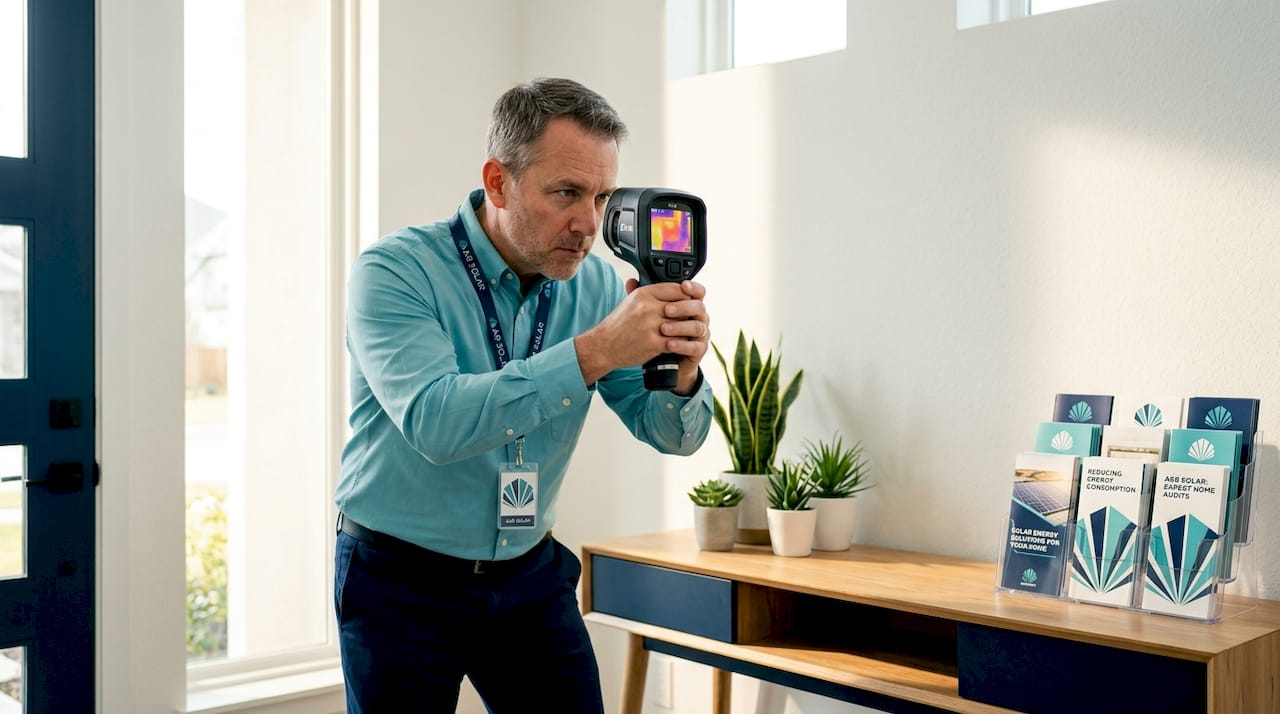
Before the auditor arrives, gather 12 months of utility bills and write down every comfort complaint in your home: rooms that are too hot in summer, drafts near windows, or a furnace that runs constantly. This problem list and bill review sharpens the diagnostic process and ensures the auditor’s recommendations are specific to your home rather than generic. The result is a prioritized action list ranked by cost and savings potential.
DIY checklists often miss the biggest problems because they rely on what you can see. Professional blower-door and thermographic scans reveal hidden leaks inside wall cavities, around recessed lights, and in attic bypasses that no homeowner would find on their own. Spending on a professional assessment upfront typically saves more money than skipping it and guessing.
Pro Tip: Ask your utility company first. Many utilities in Washington and Oregon offer free or subsidized home energy assessments through programs tied to state energy efficiency goals. You may get professional-grade diagnostics at no cost.
The audit produces a numbered action list. Work through it in order of payback period, starting with no-cost behavior changes, then low-cost upgrades, and finally larger investments like insulation or equipment replacement.
2. Optimize your thermostat and HVAC settings
Thermostat control is one of the highest-leverage items on any energy savings checklist. The U.S. Department of Energy advises against setting A/C colder than normal to cool a room faster. It does not work that way and only runs the system longer, raising your bill without improving comfort.
Key HVAC and thermostat actions to add to your checklist:
- Set your thermostat to the highest comfortable temperature in summer and the lowest comfortable temperature in winter, keeping the gap between indoor and outdoor temperatures as small as practical.
- Use a programmable or smart thermostat to set back temperatures automatically when you are asleep or away. Consistent setback schedules eliminate the energy wasted on heating or cooling an empty home.
- Run ceiling fans counterclockwise in summer to create a wind-chill effect. Fans cool people, not rooms, so turn them off when you leave the room.
- Schedule annual HVAC maintenance with a licensed technician. A dirty filter or low refrigerant charge forces the system to work harder and consume more electricity for the same output.
- Check that supply and return vents are not blocked by furniture, rugs, or curtains. Blocked airflow reduces system efficiency and can cause equipment damage over time.
Pro Tip: Avoid extreme thermostat setpoint swings. Programmable thermostats maintain comfort efficiently without the energy spikes that come from manually cranking the temperature up or down.
3. Upgrade lighting and reduce appliance plug loads
Lighting and plug loads are the easiest wins on a sustainable living checklist because most changes cost little or nothing. Replacing incandescent or older fluorescent bulbs with LED fixtures cuts lighting energy use significantly, and LEDs last years longer, reducing replacement costs. The payback period on LED upgrades is typically under two years for most households.
Beyond bulbs, the actions below address the “vampire power” problem, where devices draw electricity even when switched off:
- Replace all remaining incandescent and CFL bulbs with LED equivalents. Focus first on fixtures that run the most hours per day, such as kitchen, living room, and outdoor lights.
- Install occupancy and motion sensors in rooms like bathrooms, hallways, and garages where lights are frequently left on accidentally.
- Add dimmers to living areas and bedrooms. Dimmed lights use less power in proportion to their output level, and LEDs are fully compatible with modern dimmer switches.
- Unplug electronics when not in use or use smart power strips that cut power to idle devices. Televisions, gaming consoles, and phone chargers all draw standby power continuously.
- Run the dishwasher only with full loads and use the air-dry setting instead of heated drying. Wash laundry in cold water, which uses significantly less energy than hot cycles without reducing cleaning effectiveness.
For a broader look at energy saving tips for homeowners in the Pacific Northwest, A-rsolar has compiled region-specific guidance that accounts for local utility rates and climate patterns.
4. Seal air leaks and improve insulation
Air infiltration is one of the largest sources of energy waste in most homes, and it is also one of the cheapest to fix. Duct leaks alone can cause up to 60% energy loss at registers in homes with ducts running through unconditioned spaces like attics or crawl spaces. That figure represents money leaving your home every hour your HVAC system runs.
The table below compares the most common air sealing and insulation actions by effort level and typical impact:
| Action | Effort level | Energy impact |
|---|---|---|
| Caulk gaps around windows and door frames | Low | Reduces drafts and heating/cooling loss |
| Apply weatherstripping to exterior doors | Low | Stops conditioned air from escaping at thresholds |
| Seal duct connections with mastic or metal tape | Medium | Prevents up to 60% loss in unconditioned spaces |
| Insulate hot water pipes and water heater | Low | Reduces standby heat loss from the water system |
| Add attic insulation to recommended R-value | High | Largest single impact on heating and cooling costs |
Caulking and weatherstripping are tasks most homeowners can complete in a weekend with materials costing under $50. Duct sealing and attic insulation deliver larger savings but typically require a contractor.
Pro Tip: Check the most commonly missed leakage points: recessed light fixtures in the ceiling below an attic, the gap where plumbing pipes pass through floors, and the attic hatch. These spots are rarely visible but account for a disproportionate share of air loss in older homes.
5. Build maintenance and scheduling habits for long-term savings
One-time upgrades lose their value without regular upkeep. A maintenance schedule is what separates homeowners who see sustained savings from those who see initial improvements followed by gradual backsliding. Scheduling routine HVAC maintenance and checking furnace ducts for leaks keeps cooling and heating systems performing at rated efficiency year after year.
Build these recurring actions into your calendar:
- Set your water heater to 120°F or below. The Consumer Product Safety Commission and DOE recommend 120°F as the maximum safe and efficient setting. Higher temperatures waste energy and increase scalding risk.
- Replace HVAC filters every 1 to 3 months depending on filter type and household conditions. A clogged filter forces the blower motor to work harder and shortens equipment life.
- Clean refrigerator coils annually. Dust-covered condenser coils make the compressor run longer to maintain temperature, increasing electricity use.
- Use window coverings strategically. Close blinds and shades on south and west-facing windows during summer afternoons to block solar heat gain. Open them in winter to capture free passive solar warmth.
- Track energy use with a smart meter or plug-in energy monitor. Devices like the Kill A Watt meter let you measure the actual consumption of individual appliances, which helps you identify the highest-cost items in your home.
- Inspect weatherstripping and caulking each fall before heating season. Materials degrade over time and gaps reopen, especially around doors that see heavy daily use.
Pairing these habits with the renewable energy upgrades for Northwest homes that A-rsolar covers gives homeowners a complete picture of both conservation and generation strategies.
Key takeaways
A home energy audit combined with targeted sealing, thermostat control, LED lighting, and scheduled maintenance delivers the most reliable and sustained reductions in utility bills.
| Point | Details |
|---|---|
| Start with an audit | Professional blower-door and thermographic scans identify the highest-impact problems before you spend money on fixes. |
| Seal before upgrading | Air sealing and weatherstripping deliver fast payback and improve the performance of every other upgrade you make. |
| Control your thermostat | Programmable setback schedules and ceiling fan use reduce HVAC runtime without sacrificing comfort. |
| Switch to LEDs and unplug idle devices | LED upgrades and eliminating vampire power are low-cost actions with consistent, measurable returns. |
| Schedule annual maintenance | Routine HVAC servicing, filter changes, and water heater checks sustain savings that one-time upgrades alone cannot. |
What I’ve learned from working through energy checklists with homeowners
Most homeowners I talk with start their energy efficiency work by buying something: a smart thermostat, new windows, or a high-efficiency appliance. Those are not bad purchases, but they are often the wrong first step. The homes that see the biggest bill reductions are the ones where the homeowner did the audit first, found out where the real losses were, and then spent money on those specific problems.
The checklist format works because it forces prioritization. You cannot fix everything at once, and you should not try. A well-structured checklist tells you that sealing the duct in your crawl space is worth doing before replacing a window that is already reasonably tight. That kind of sequencing is only possible when you have actual data from a professional assessment rather than a list of generic tips.
I also see homeowners underestimate behavior changes. Turning off ceiling fans when leaving a room, running the dishwasher only when full, and adjusting thermostat setpoints by two or three degrees cost nothing and show up on the next utility bill. They are not glamorous, but they compound over a full year into real savings. The most effective approach combines those no-cost habits with targeted physical improvements ranked by payback period.
If you are in Washington or Oregon, the home solar optimization guide from A-rsolar is worth reading once you have worked through the conservation side of your checklist. Reducing consumption first makes any solar system you add later smaller and less expensive.
— Shyerome
Take your energy savings further with A-rsolar
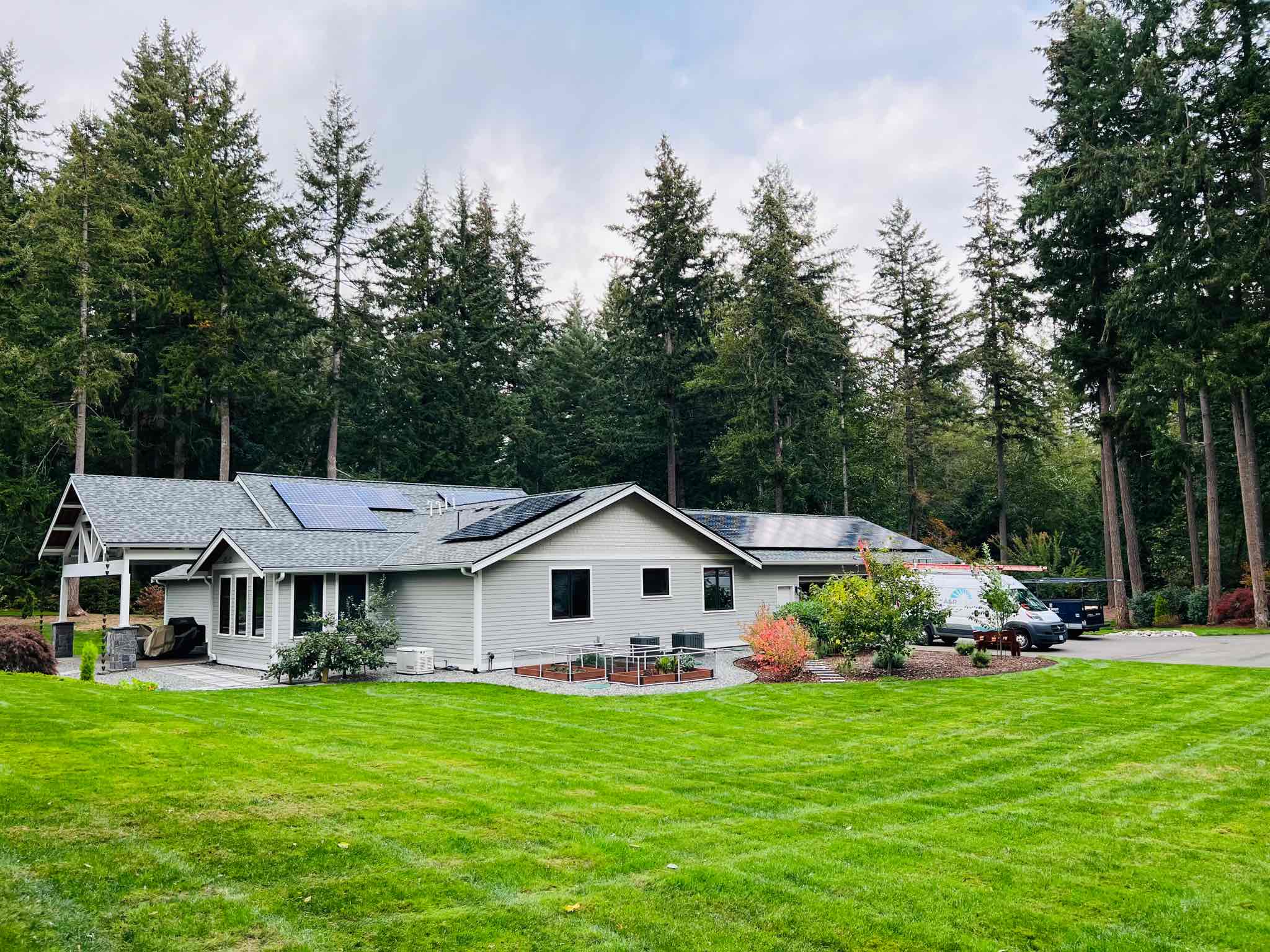
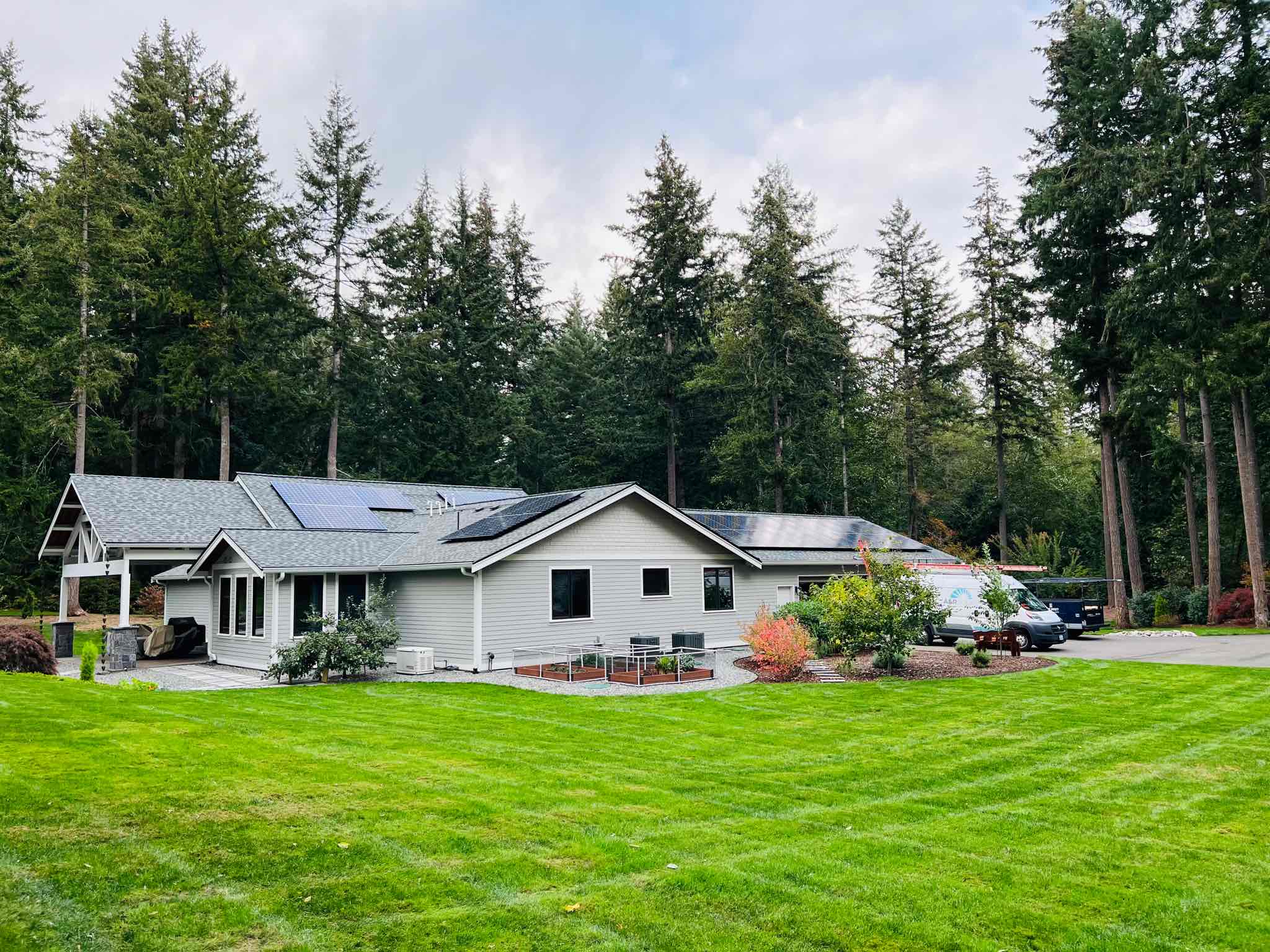
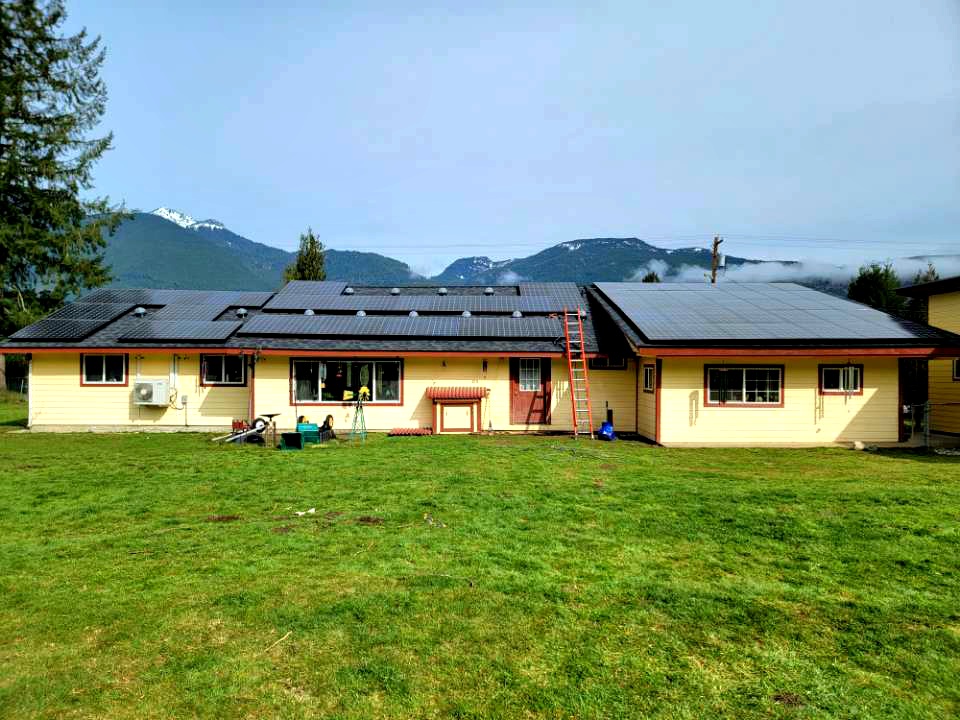
Once you have worked through your energy savings checklist and reduced your home’s consumption, the next step is generating your own power. A-rsolar has spent two decades installing residential solar systems and home battery backup solutions for homeowners across Washington and Oregon. As a certified B Corporation and employee-owned company, A-rsolar brings both technical expertise and a long-term commitment to every project. Browse completed residential projects to see real installations and the savings homeowners have achieved, or contact A-rsolar directly to discuss a system sized for your home’s actual energy profile.
FAQ
What is an energy savings checklist for homeowners?
An energy savings checklist is a prioritized list of actions that reduces a home’s energy consumption and lowers utility bills. It typically covers audit preparation, thermostat settings, air sealing, lighting upgrades, appliance habits, and scheduled maintenance.
How does a home energy audit improve my checklist?
A professional home energy assessment uses blower-door testing and thermographic scanning to identify specific energy loss points, so your checklist targets real problems rather than generic fixes. This approach increases the savings efficiency of every dollar you spend.
What temperature should I set my water heater to?
The DOE and Consumer Product Safety Commission both recommend setting your water heater to no more than 120°F. This setting reduces energy consumption while eliminating scalding risk.
How much energy do air leaks waste?
Duct leaks in unconditioned spaces can cause up to 60% energy loss at registers. Sealing ducts with mastic or metal tape and caulking gaps around windows and doors are among the highest-return actions on any home energy checklist.
Do LED bulbs and occupancy sensors really make a difference?
Yes. Installing LEDs and occupancy sensors significantly reduces lighting energy without major investment. Combined with unplugging idle electronics, these changes deliver consistent savings that appear on every monthly utility bill.