

TL;DR:
- Modern solar panels perform effectively in overcast Pacific Northwest climates due to advancements and regional conditions.
- Strong incentives in Washington and Oregon, including tax credits and utility rebates, significantly reduce installation costs.
- Proper system design, net metering, and battery backup enhance long-term savings, energy independence, and resilience.
The Pacific Northwest’s reputation for cloudy skies leads many homeowners to assume solar panels simply aren’t worth the investment. That assumption is costing people money. Washington and Oregon actually offer some of the strongest solar incentives in the country, and modern panel technology performs well in exactly the kind of temperate, overcast conditions common here. This article covers what homeowners in both states need to know: how solar actually performs in our region, which financial incentives apply to your home, how net metering works to reduce your bill, and what practical steps you should take before installation.
Table of Contents
- How solar panels work in the Pacific Northwest
- Financial incentives for homeowners: Washington vs. Oregon
- Maximizing your savings with net metering
- Beyond savings: Reliability, edge cases, and practical tips
- What most homeowners overlook with solar panels
- Ready to see if solar fits your home?
- Frequently asked questions
Key Takeaways
| Point | Details |
|---|---|
| Solar panels work in PNW | Even with cloudy weather, panels generate large amounts of energy and benefit from efficient, cool conditions. |
| Strong state incentives | Washington and Oregon offer attractive rebates, tax exemptions, and net metering for rapid project payback. |
| Net metering maximizes savings | Credit for excess power lets homeowners dramatically reduce utility bills. |
| Energy reliability and resilience | Adding batteries to solar boosts your home’s outage protection and long-term security. |
| Expert planning is essential | Roof condition, installer choice, and system design make a major difference in solar success. |
How solar panels work in the Pacific Northwest
Now that you’ve seen the potential, let’s break down how solar technology actually performs in our region. The most persistent myth about Pacific Northwest solar is that clouds make panels useless. In reality, solar panels generate electricity from daylight, not direct sunlight alone. Overcast skies reduce output somewhat, but they don’t stop production.
The Pacific Northwest receives 3.5 to 4.5 peak sun hours per day on average, and a 6kW system installed here can offset roughly 6,000 to 9,500 kilowatt-hours per year. That’s a meaningful reduction in most household electricity bills. Germany, one of the world’s leading solar markets, gets fewer sun hours than Seattle and still generates solar at scale.
Cooler temperatures actually work in your favor. Heat reduces the efficiency of solar panels, a fact that surprises many homeowners. Research on solar performance in temperate climates shows a performance ratio of 0.84 in climates like ours, with a very low degradation rate of just 0.69% per year. That means your system holds its value and performance over time better than systems in Arizona or Texas.
Here’s what makes Pacific Northwest solar installations stand out:
- Low-light optimized panels are now standard for this region, designed specifically to perform during gray winter days
- Microinverters convert power at each individual panel rather than across the whole string, so one shaded panel doesn’t drag down your entire system
- Inverter fault rates in temperate climates are low, around 1.5%, which means fewer service calls and more consistent output
- System longevity is strong in cooler climates, with less thermal stress on components
“Cooler temperate climates like those in Washington and Oregon produce favorable performance ratios and some of the lowest degradation rates seen in residential solar research.”
If you’re exploring solar panels for your home, understanding these regional advantages helps set realistic expectations and, frankly, better ones than most people start with.
Financial incentives for homeowners: Washington vs. Oregon
With the basics of how solar performs covered, here’s how your costs and payback can change with generous local incentives. The sticker price of a residential solar system often ranges from $15,000 to $25,000 before incentives. What many homeowners don’t realize is how quickly those incentives shrink that number.
| Incentive | Washington | Oregon |
|---|---|---|
| State sales tax exemption | Yes, ~$950 to $1,365 savings | No |
| Utility cash rebate | Varies by utility | $2,500 flat (PGE/Pacific Power) |
| Income-qualified program | Limited | Solar Within Reach: up to $5,500 |
| Battery incentive | Varies | ODOE up to $2,500 additional |
| State tax credit | No | Up to $5,000 (ODOE) |
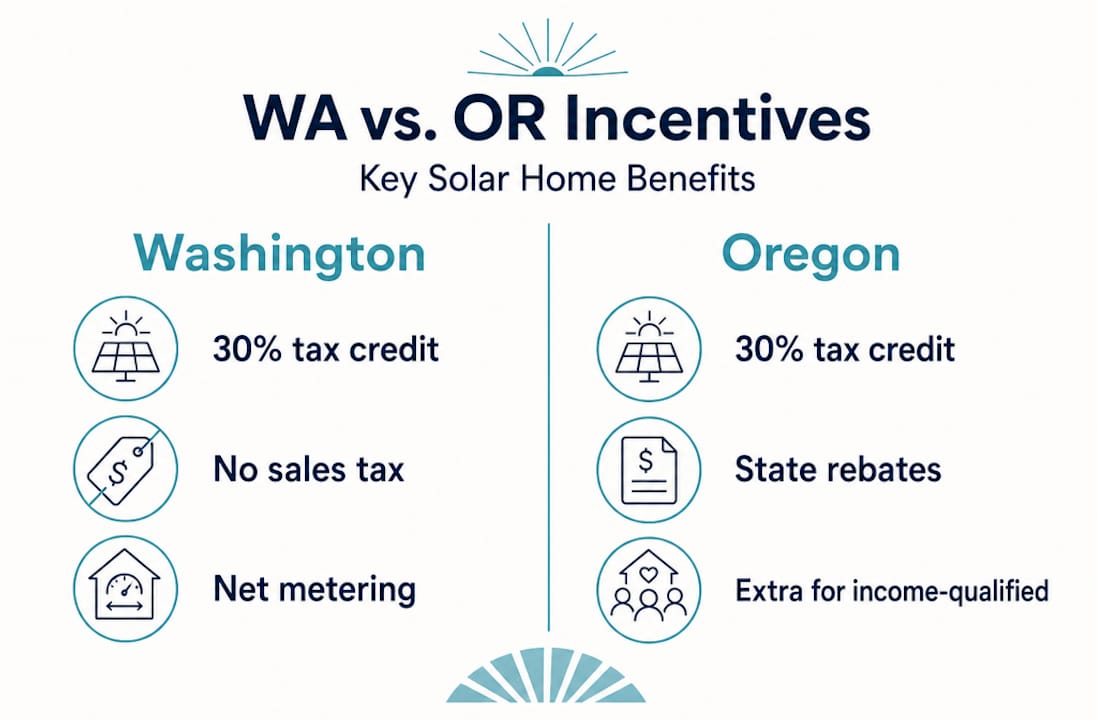
Washington homeowners benefit from a sales tax exemption of 6.5%, which saves between $950 and $1,365 upfront depending on system size. That’s money you never pay, not money you wait to receive.
Oregon’s incentive landscape is particularly strong for income-qualified households. Through Energy Trust of Oregon, homeowners on Pacific Power or Portland General Electric can access a $2,500 flat rebate. The Solar Within Reach program goes further, offering $0.90 per watt up to $5,500 for eligible households. The Oregon Department of Energy also offers a state tax credit of up to $5,000 for solar, with an additional $2,500 credit available when you add a battery system.
Pro Tip: Incentives can stack. A qualifying Oregon homeowner who uses the Energy Trust rebate, the ODOE state credit, and Solar Within Reach could reduce their net system cost by more than 60%. Working with an approved solar installer ensures you capture every available program without missing enrollment deadlines or paperwork requirements.
The solar cost breakdown for Washington and Oregon homes varies based on system size, roof complexity, and utility territory, but the combination of utility rebates and programs and state incentives consistently brings the payback period down to a realistic range for most homeowners.
For a detailed look at what applies to your address, the state-specific pages covering Washington solar incentives and Oregon solar incentives are practical starting points.
Maximizing your savings with net metering
Financial incentives give you a head start, but smart net metering usage is what drives long-term bill reductions. Net metering is the billing arrangement that allows you to send excess solar electricity back to the grid and receive credits on your utility bill in return. It’s the mechanism that makes solar financially powerful over time, not just at installation.
Here’s how a typical net metering scenario plays out for a Washington homeowner:
- Your panels produce more electricity than your home uses on a sunny afternoon
- That surplus flows to the grid, and your utility meter runs backward
- You accumulate kilowatt-hour credits on your account
- In the evening, or during cloudy weeks, you draw from the grid and use those credits
- At the end of the annual reset period, unused credits may be settled at a lower rate or forfeited depending on your utility
Washington offers full retail net metering with 1:1 credits and an annual reset period. That means every kilowatt-hour you send to the grid offsets one kilowatt-hour you consume later, at the full retail electricity rate. This is one of the most favorable net metering structures available in the country.
Oregon’s net metering programs vary by utility but also offer strong credit structures. Portland General Electric and Pacific Power both operate net metering arrangements, though the specifics around credit rates and annual reset policies differ. Understanding your utility’s exact terms matters when sizing your system.
| State | Credit rate | Annual reset | Notes |
|---|---|---|---|
| Washington | Full retail (1:1) | Yes | Applies statewide for qualifying utilities |
| Oregon (PGE) | Near-retail | Yes | Varies by rate schedule |
| Oregon (Pacific Power) | Near-retail | Yes | Check current interconnection terms |
Pro Tip: System sizing is critical for net metering value. Overbuilding your system means you generate more power than you can credit at full retail rates. A well-sized system covers your annual usage without significant excess. To compare net metering programs across Washington and Oregon utilities in more detail, reviewing the current program terms before finalizing your system design is worthwhile.
A Seattle homeowner with a monthly bill of $120 before solar could realistically reduce that to under $20 per month with proper system sizing and full retail net metering, accumulating credits during spring and summer months to cover higher usage in winter.
Beyond savings: Reliability, edge cases, and practical tips
Electric bill savings are great, but energy independence and reliability are just as valuable to many homeowners in the Pacific Northwest.
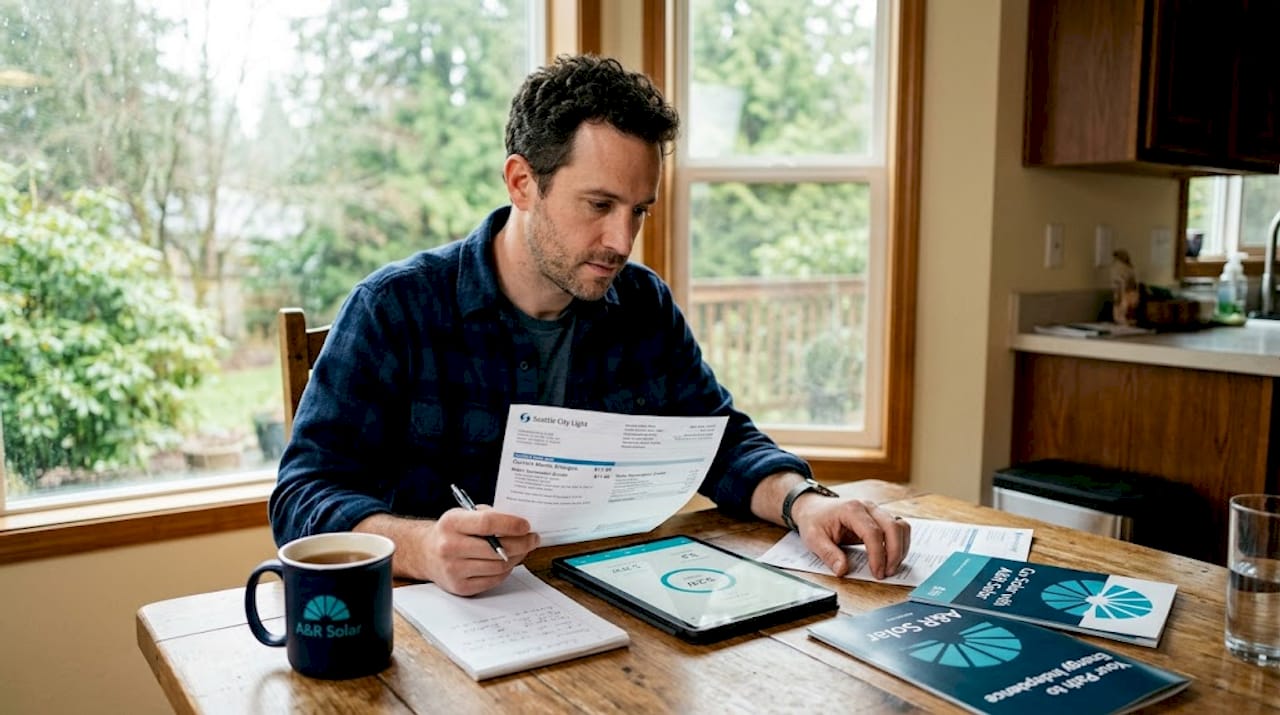
Power outages in the region can result from windstorms, ice events, and grid strain during extreme heat. A solar-only system without battery storage goes offline during a grid outage for safety reasons. Adding a battery backup changes that picture entirely. Research on solar system resilience confirms that batteries in temperate climates experience minimal thermal degradation and commonly carry warranties of 25 years or more, giving Pacific Northwest homeowners long-term peace of mind.
Before installation, here are the practical factors every homeowner should assess:
- Roof age and condition: If your roof is more than 15 years old, replace it before adding panels. Removing and reinstalling panels to re-roof later costs significantly more than doing it in the right order.
- Tree shading: Heavy shading from mature trees can reduce output by 30% or more. Microinverters or power optimizers at each panel limit the impact of partial shading.
- Roof orientation: South-facing roofs perform best in the Northern Hemisphere. West-facing roofs produce well for afternoon generation, which can align with peak demand. North-facing roofs are generally not recommended.
- HOA restrictions: Many homeowners in planned communities worry about association rules blocking solar. In Washington, state law overrides HOA limits that would prohibit solar panel installation, giving homeowners clear legal standing.
- Utility interconnection timeline: In some areas, connecting your system to the grid takes 4 to 12 weeks after installation. Planning ahead avoids delays in bill savings.
“Roof replacement before solar installation, microinverters for shaded conditions, and checking HOA standing under Washington state law are the three most common practical steps homeowners overlook.”
For answers to specific situations, the solar FAQ covers a wide range of edge cases for Pacific Northwest homeowners, from permitting questions to system monitoring expectations. Every home has different variables, and addressing them in the planning phase is far less expensive than troubleshooting after installation.
What most homeowners overlook with solar panels
We’ve seen how solar delivers on performance and savings, but there are still a few key lessons most people miss. After working on residential solar installations across Washington and Oregon, one pattern emerges consistently: homeowners who focus only on current sunlight hours and upfront cost tend to undervalue what modern solar systems actually deliver.
Panel technology has improved dramatically in the last decade. The low-light performance gap between a cloudy Seattle winter and a sunny Phoenix summer is far smaller than it was ten years ago. Obsessing over average sun hours misses this shift entirely. More important questions are about system design, inverter quality, and warranty terms.
One underappreciated planning decision is building your system to accommodate future needs. Electric vehicle adoption is accelerating in both Washington and Oregon, and EV charging at home increases your electricity consumption substantially. A system sized only for today’s usage may leave you short in two or three years. Designing for battery integration and EV readiness from the start costs less than retrofitting later.
Installer selection also matters more than most people realize. Local, experienced installers who are familiar with your utility’s interconnection process, your county’s permitting requirements, and specific regional incentive programs tend to complete installations faster and with fewer complications. They also remain reachable for service and maintenance over the system’s 25-year lifespan. National sales organizations often hand off the installation to subcontractors and disappear afterward.
Finally, the non-financial benefits of solar are consistently underweighted in the decision. Homeowners who install solar frequently report greater satisfaction with their energy situation beyond just the bill reduction. The environmental benefits of solar include meaningful carbon emissions reductions, which matter to many Pacific Northwest residents who choose clean energy as a reflection of their values. Energy independence during outages, predictable costs against rising utility rates, and the long-term security of owning your energy source all contribute to satisfaction that doesn’t show up in a payback period calculation.
Ready to see if solar fits your home?
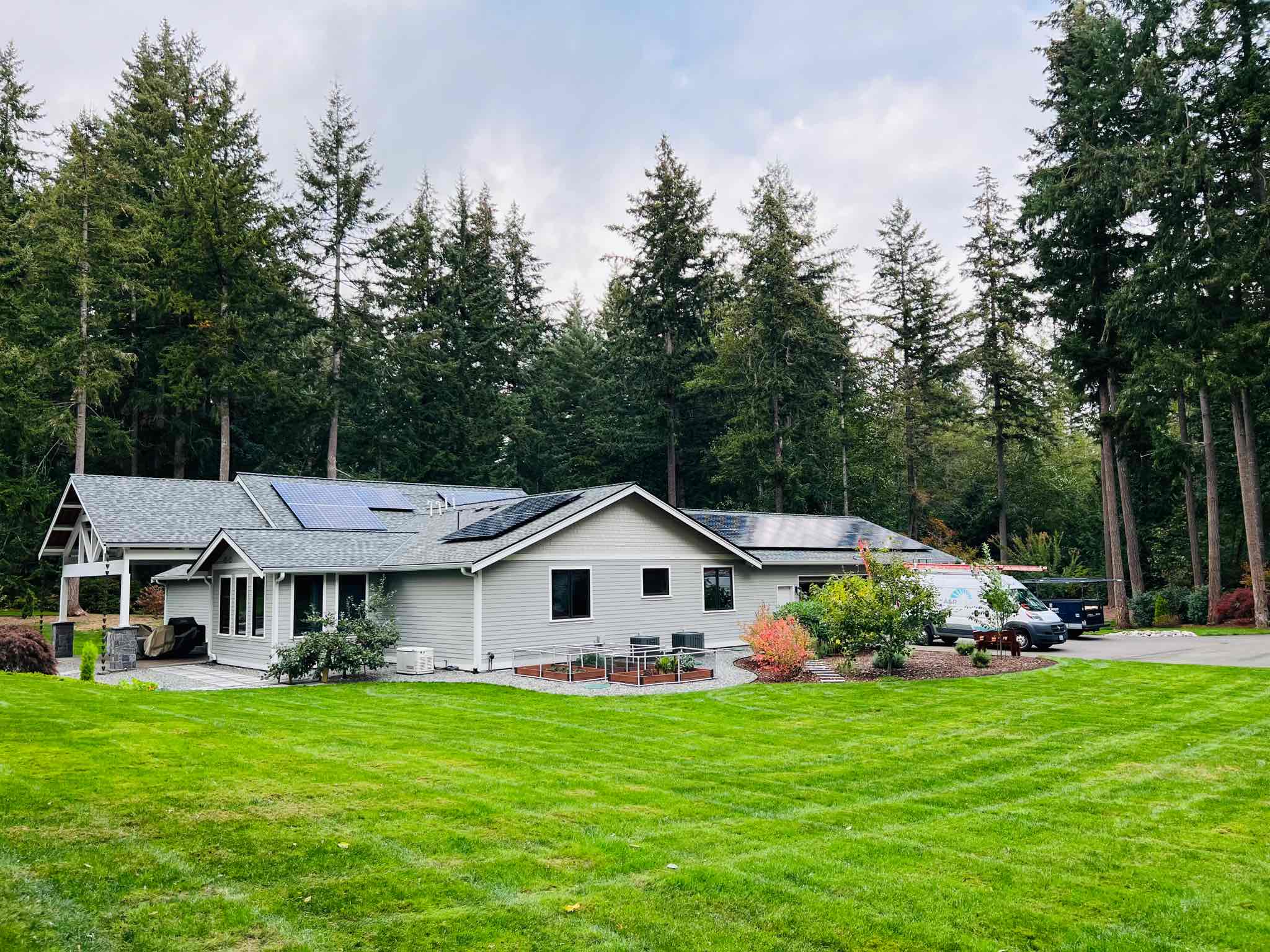
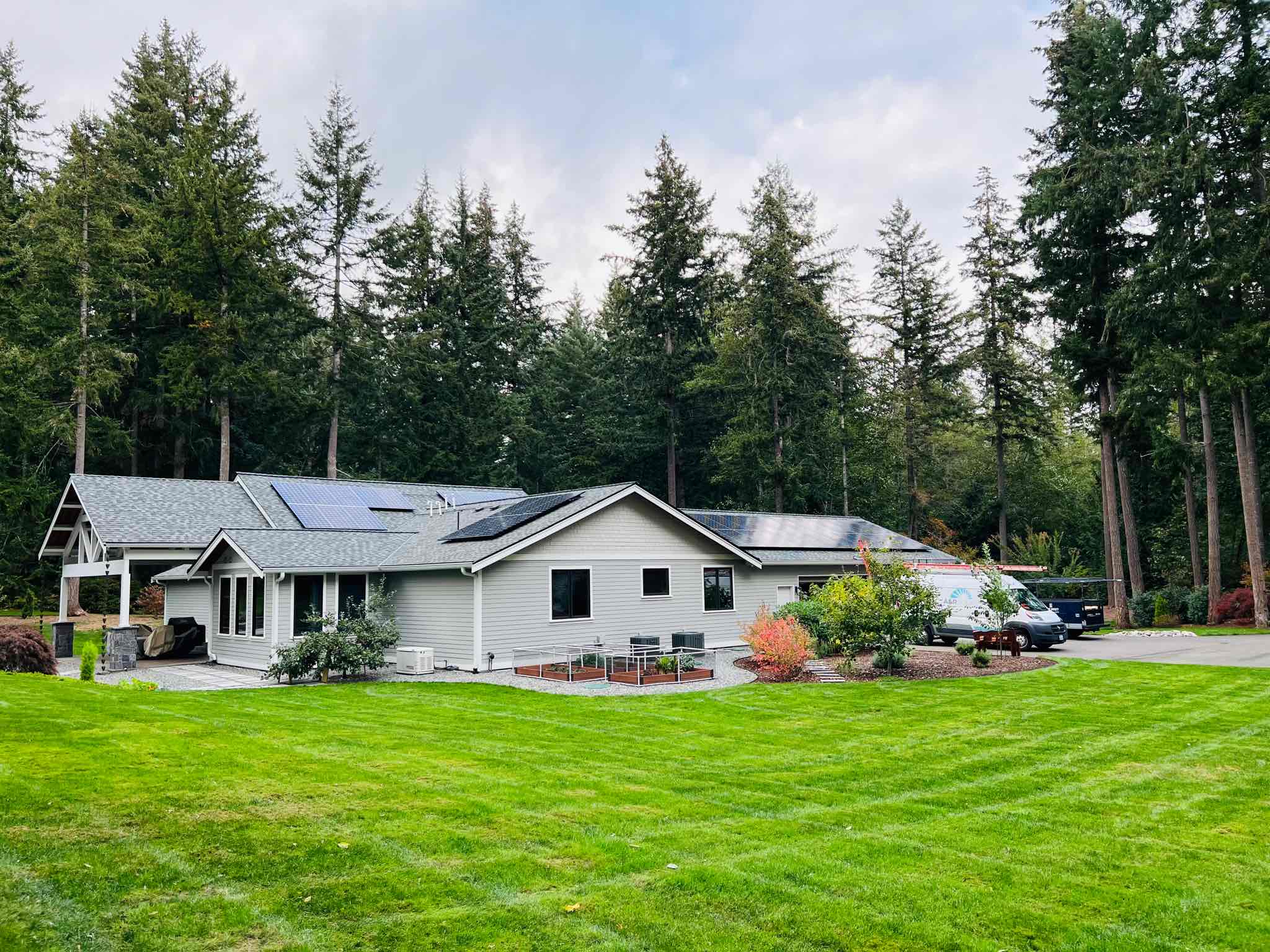
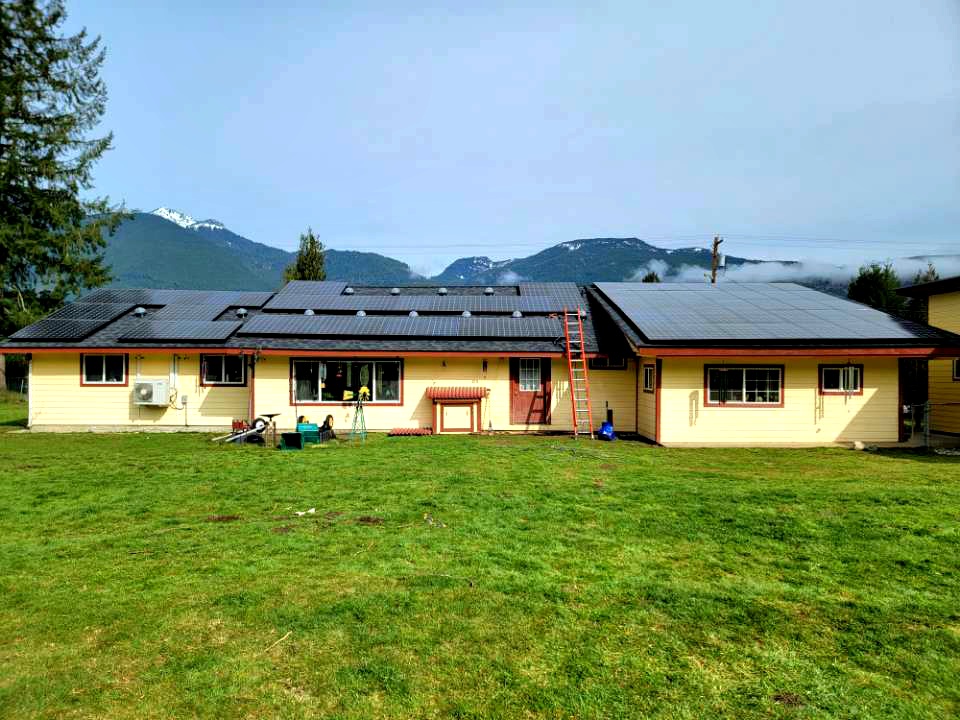
If you’re inspired to take the next steps, exploring local projects and reaching out for expert guidance is simple. A&R Solar has completed residential installations across Washington and Oregon, and the results speak for themselves.
Browsing local solar project examples gives you a realistic picture of what solar looks like on Pacific Northwest homes, including rooflines, system sizes, and outcomes from homeowners in similar situations to yours. If energy resilience is a priority, learning more about battery backup in the Northwest helps you understand how storage integrates with your solar system for whole-home protection during outages. When you’re ready to move forward, get a personalized quote and connect with our team for a tailored assessment of your home, utility territory, and available incentives.
Frequently asked questions
Do solar panels really work well in cloudy climates like Washington and Oregon?
Yes, solar panels generate significant energy in the Pacific Northwest, benefiting from cooler, efficient conditions and modern low-light panel designs. The region receives 3.5 to 4.5 peak sun hours daily, which is sufficient for meaningful residential energy production.
How long does it take to break even on a solar panel investment in these states?
Most homeowners see payback within 8 to 13 years thanks to incentives, substantial bill savings, and rising utility rates. Washington and Oregon incentives including state programs and net metering all accelerate that timeline.
What should I check before putting solar panels on my roof?
Check roof age and shading conditions, consider microinverters for partial-shade situations, and verify your HOA cannot legally block your installation in Washington. State law overrides HOA limits for solar in Washington, removing a barrier many homeowners expect.
Can I use solar panels during a power outage?
With battery backup, you can power critical home loads during outages even when the grid is down. Battery systems in temperate climates show minimal degradation and commonly carry warranties exceeding 25 years.
Are there extra benefits of installing solar other than cost savings?
Solar energy reduces your carbon footprint and increases your home’s energy independence from utility rate increases. Research on system performance confirms long-term reliability in Pacific Northwest conditions, supporting both financial and environmental goals over the system’s lifetime.