


Frequently Asked Questions
We're Here to Help
Search for answers about solar installation, financing, warranties, and more.
Popular Questions
Is solar still worth it in 2026 without the 30% tax credit?
Yes, but the value story has changed. Residential systems installed in 2026 no longer qualify for the 30% federal residential tax credit (Section 25D) that expired at the end of 2025, so payback now relies more on high utility rates and good financing. In many states, rising electricity prices and local or utility incentives still deliver solid 15–25 year lifetime savings — just with a slightly longer simple payback than during the peak-credit years.
What incentives are left now that the federal credit expired?
For homeowners, the main federal consumer credit is gone, but some paths remain. Many states and utilities still offer rebates, performance incentives, or favorable net metering and export tariffs that meaningfully improve the economics. Third-party ownership through leases and PPAs has become a key workaround, since the project owner — typically a financier — can still access federal benefits under other tax code sections and pass part of that value through as lower energy rates to you.
Should I buy, lease, or sign a PPA in 2026?
It depends on your tax situation and cash. If you buy with cash or a loan in 2026, you no longer get the 30% personal tax credit, but you own the asset, capture all bill savings, and boost home resilience — especially when paired with storage. With leases and PPAs, you trade ownership for little to no upfront cost and predictable solar pricing per kWh. In 2026, these structures are being marketed as ways to offset the loss of the expiring credit, particularly in markets like California.
How much does solar cost in 2026, and what's the payback?
Turn-key residential systems are still a five-figure investment, but soft costs and hardware efficiencies help keep all-in pricing relatively flat even as incentives shift. ROI is increasingly driven by 4–6% annual utility rate inflation and time-of-use structures. In most good markets, realistic simple paybacks run in the 8–15 year range — longer where export rates are weak or energy usage is low.
What changed in the solar industry in 2026 compared to a year ago?
Three big shifts stand out: the end of the 30% residential tax credit, new domestic-content and Foreign Entity of Concern (FEOC) rules affecting equipment sourcing, and faster permitting and inspection workflows driven by software platforms. On top of that, utilities are rolling out new tariffs and export rules, and smart energy management paired with storage is becoming standard practice — not just an optional upgrade — for maximizing savings.
What's different about the technology now?
2026 is dominated by more efficient n-type TOPCon and HJT panels that perform better in heat and low light, often approaching mid-20% efficiency at the cell level. Back-contact and all-black designs are increasingly common, improving aesthetics while slightly boosting performance. Inverters and optimizers continue to pack more monitoring and grid-support features into smaller, smarter packages.
Do I need batteries with my solar now?
You don’t strictly need them, but storage has shifted from a “nice upgrade” to strongly recommended in many markets. Batteries provide backup power, help dodge demand charges, and let smart schedulers shift your consumption away from high-price periods under dynamic tariffs. In 2026, solar-plus-storage is particularly attractive where export compensation is low, or where outages and grid instability are growing concerns in your area.
How long does it take to get solar installed in 2026?
The old picture of waiting months is fading fast. Automated permitting platforms and standardized plan sets are cutting approval times from weeks down to days in more jurisdictions, so the bottleneck is now often installer scheduling, not paperwork. Once our crew is on-site, most typical residential systems can be completed in a day or two thanks to better racking systems, lighter hardware, and refined installation workflows.
What about changes to net metering and utility rules?
Many states have moved away from classic one-for-one net metering to export-rate or time-variant structures — like California’s NEM 3.0 — which pay less for midday exports and reward self-consumption instead. This pushes system design toward right-sizing, adding batteries, and using smart controls to minimize grid exports and maximize the on-site use of your solar production.
How does AI and smart energy management fit into a home solar system?
AI-driven energy management is becoming the brain of the solar system. In 2026, controllers and apps use real-time prices, weather forecasts, and your historical load to decide when to charge or discharge batteries and when to run flexible loads like EV charging. This automation can significantly increase the value of the same hardware by aligning your solar usage with the most expensive utility periods — without you constantly tweaking settings.
Is solar worth it if I don't live in a hot, sunny state?
Yes. Modern high-efficiency modules and better low-light performance mean you don’t need desert sun to benefit from solar. Higher electricity prices in colder, cloudier regions often compensate for lower production. Snow can briefly reduce output, but cool temperatures actually improve panel efficiency when the sky is clear — and lifetime savings can still be substantial where rates are high and local incentives exist.
What should I look for in a 2026 solar installer?
Experience with current rules and technology matters more than ever. Look for companies that understand post-2025 incentives, FEOC and domestic-content issues, your local tariff structure, and storage design — not just panel placement. Check licenses, equipment brands, workmanship warranties, and whether they offer robust monitoring, strong ongoing support, and clear savings modeling based on your current tariff structure rather than outdated net-metering assumptions.
What are the main system types: grid-tied, hybrid, or off-grid?
Most homeowners choose grid-tied systems focused on reducing their utility bill, sometimes with modest backup capability via a small battery. Hybrid systems that combine grid-tie with substantial storage and smart controls are growing in popularity as people prioritize resilience and tariff optimization. Fully off-grid setups remain niche — they’re mainly used for remote homes, cabins, and RV or overlanding power where grid connection isn’t an option.
How will solar impact my home's value in 2026?
Owned systems generally add value by lowering operating costs and appealing to buyers who want energy independence and protection from rising rates. With leases and PPAs, the impact is more nuanced: some buyers appreciate the lower utility bills, while others hesitate about assuming a long-term contract. Clean documentation and favorable contract terms are key to making a third-party system a selling point rather than an obstacle.
What's the future outlook — is solar a safe long-term bet?
Analysts still expect strong global and U.S. solar growth through and well beyond 2026, as electrification of transportation, data centers, and industry continues to drive electricity demand. Policy and market shifts will continue, but solar remains one of the primary sources of new generation capacity being added. The technology side is in a mature, reliable, and high-efficiency phase — meaning what’s installed today is built to last and deliver returns well into the future.
FURTHER READING
Go Deeper — Articles Worth Reading
Sometimes a short answer isn’t enough. These articles from A&R Solar’s blog tackle common solar questions in depth — from how panels hold up in the Pacific Northwest’s cloudy climate to troubleshooting, installer selection, and more.

Does Solar Really Work in Cloudy Washington and Oregon?
TL;DR Solar absolutely works in cloudy Washington and Oregon, but it works differently than in desert climates.

Why Aren’t My Solar Panels Working
Are My Solar Panels Broken Or Is It Just A Gray January Winter in the Pacific Northwest often brings gloomy and rainy days, making it feel like the sun …
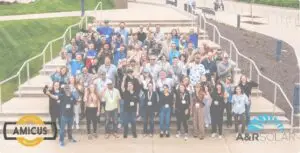
Why Partner with AMICUS Solar Companies
When you partner with AMICUS Solar Companies, you are choosing a local solar company rooted in integrity, collaboration, and expertise—backed by the pow…
COMMERCIAL SOLAR FAQs

Commercial Solar Questions? We’ve Got Answers.
Business owners have unique solar questions — around ROI, depreciation, utility rate structures, and financing. Browse our video walkthroughs below for straight answers on the commercial topics we hear most often.
Don’t Just Take Our Word For It — See the Results.
A few examples that answer the question “Does commercial solar actually deliver?”
Blackbird Farms: A family farm near the Oregon-California border now powers its irrigation wells with solar — projected $37,000 in annual savings, roughly two-year payback, with a REAP grant covering half the project cost.
Earthbound Industries: A bespoke furniture maker chose solar to power their woodshop — because a business built on craftsmanship should power its operation the same way.
Browse FAQs by Topic.
Solar questions fall into a few key categories. Select a topic below to explore focused answers and resources — whether you’re still researching or already moving forward.
Costs, Savings & Incentives
What does solar cost in 2026, what incentives are still available, and what’s the real payback?
Technology & Equipment
Questions about panels, inverters, batteries, and what’s changed in 2026 technology.
Installation & Timeline
How long does installation take, what’s the permitting process, and what happens before you’re live?
Ownership, Financing & Buying Options
Should you buy, lease, or sign a PPA? What does ownership mean for your home’s value and financing?
Maintenance, Monitoring & Long-Term
How much maintenance does solar need, how is performance tracked, and what’s the long-term outlook?
Ready to Go from Questions to Action?
Now that you have the answers, the next step is yours. Our team is ready to model your savings, walk through your options, and put together a proposal with no pressure and no obligation.