


TL;DR:
- Modern solar panels produce electricity efficiently even on overcast days in the Pacific Northwest.
- Incentives and net metering substantially improve long-term savings and payback periods.
- Careful planning, system design, and maximizing incentives lead to better solar investment outcomes.
Many Washington and Oregon homeowners assume their region’s overcast skies make solar energy impractical. That assumption costs them money. Modern solar panels produce electricity on cloudy days and are rated for a 25 to 30 year lifespan with only about 0.5% annual output degradation. Over that span, the financial case for solar in the Pacific Northwest is stronger than most people realize. This guide breaks down the real costs, available incentives, net metering benefits, and the key variables that shape your long-term return so you can make a confident, informed decision.
Table of Contents
- Why solar energy makes sense for Washington and Oregon homes
- Understanding the true cost and payback of solar systems
- How net metering and local incentives increase long-term value
- Factors that shape ROI: Risks, edge cases, and expert tips
- Our take: What most solar shoppers miss in the Pacific Northwest
- Take the next step toward solar savings
- Frequently asked questions
Key Takeaways
| Point | Details |
|---|---|
| Reliable savings over time | Solar panels save most Pacific Northwest homeowners thousands over 25 years, despite cloudy weather. |
| Local incentives matter | State programs like tax credits and rebates make a big difference in affordability and payback time. |
| Net metering maximizes returns | Net metering lets summer solar excess cover your winter bills, leading to year-round financial benefits. |
| Site factors impact value | Sun exposure, roof direction, and installer quality significantly affect your system’s return on investment. |
| Plan for the long haul | Long-term thinking and local expertise are key to maximizing your solar investment in Washington and Oregon. |
Why solar energy makes sense for Washington and Oregon homes
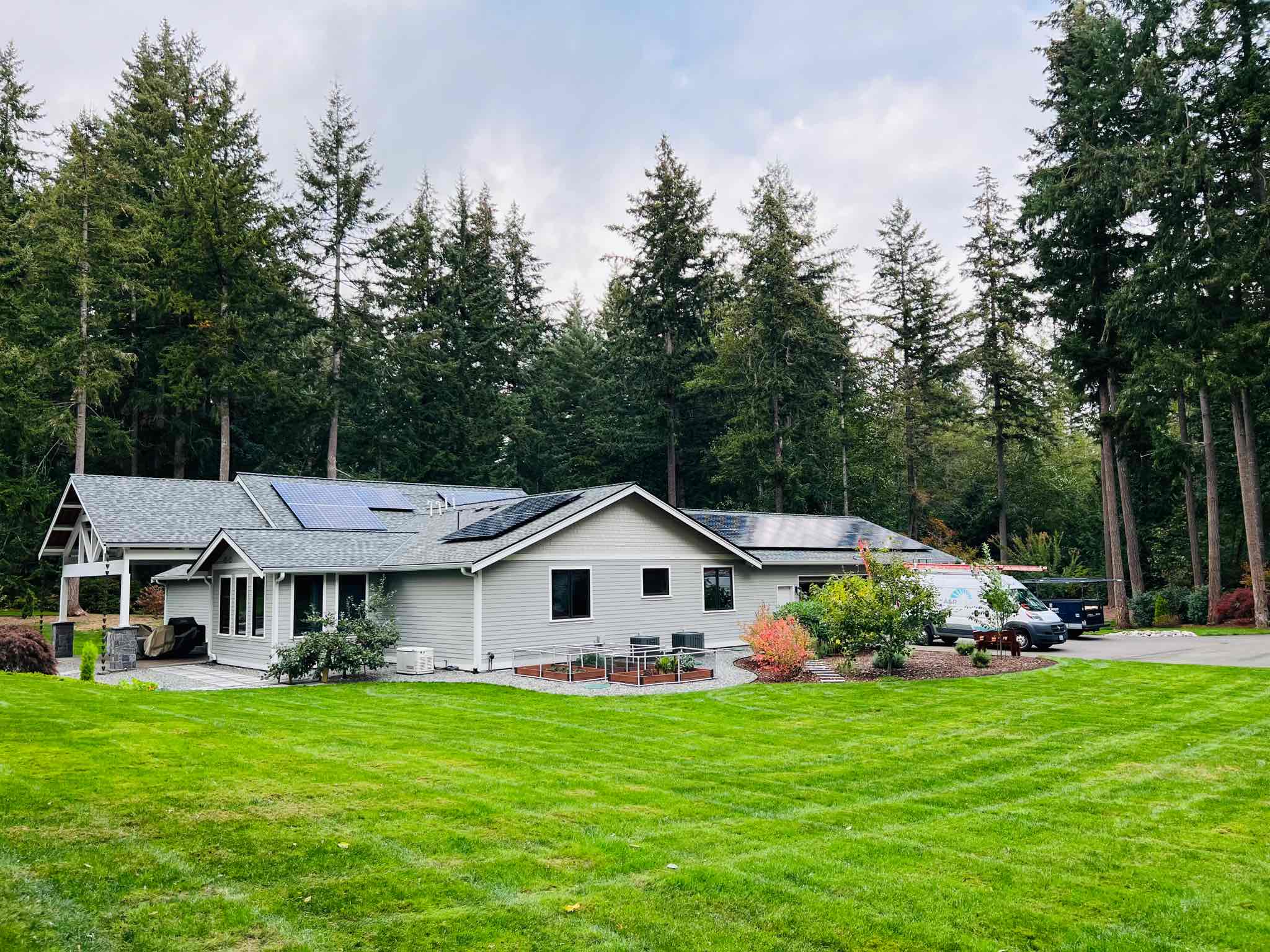
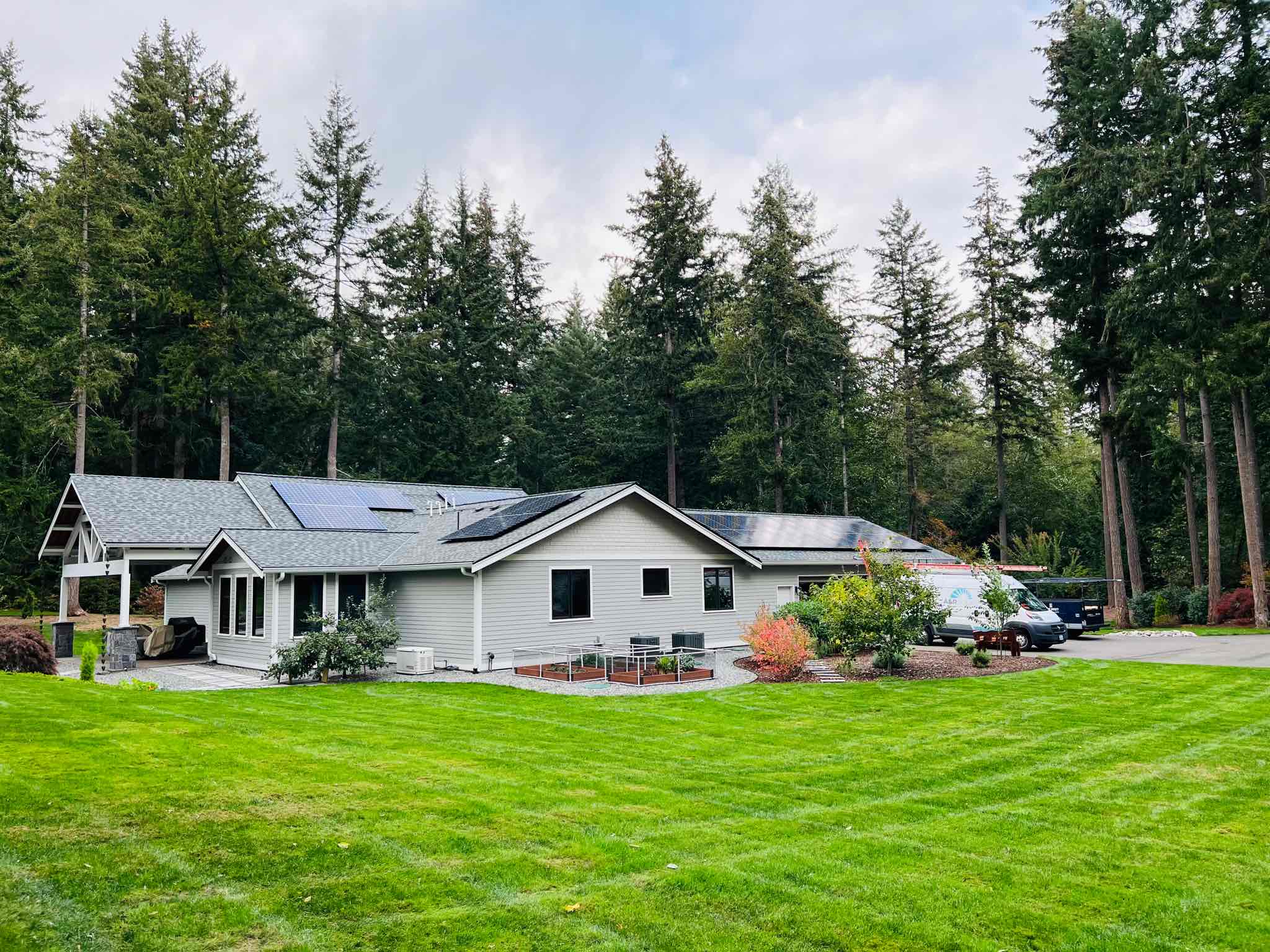
The Pacific Northwest has a reputation for gray skies, but that reputation often overstates the problem. Solar panels today are built to capture diffused light, not just direct sunlight. Germany, one of the world’s leading solar markets, gets less annual sunlight than Seattle, yet solar thrives there. The technology has matured significantly, and solar in the Northwest climate is far more viable than it was even a decade ago.
When evaluating whether solar makes sense for your home, several core benefits stand out:
- Long-term bill reduction: Most homeowners see meaningful cuts in their monthly electricity costs from day one.
- Protection against rate increases: Electricity rates in both Washington and Oregon have been rising steadily. Locking in solar production now hedges against future rate hikes.
- Higher home resale value: Studies consistently show that solar installations increase property values.
- Reduced grid dependence: Especially when paired with battery storage, solar gives you more control over your energy supply.
Panel lifespan is a critical factor. Panels degrade slowly at roughly 0.5% per year, meaning a system installed today will still perform at roughly 87% capacity after 25 years. That long service window is what turns an upfront investment into real long-term profit.
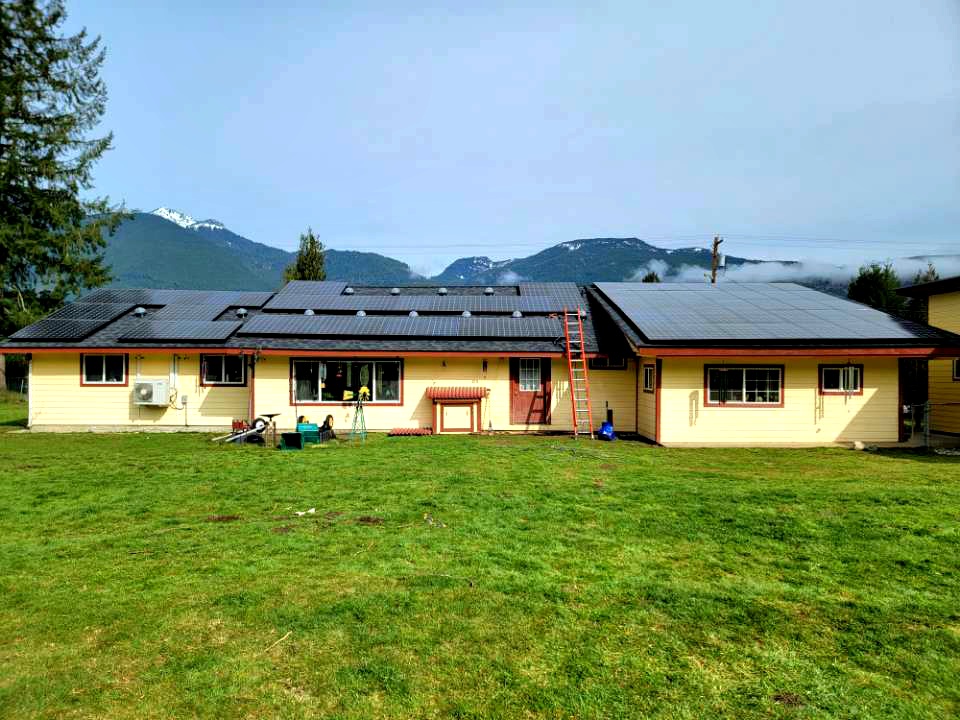
Roof orientation matters too. South-facing, shade-free roofs in both states deliver the highest production. West-facing roofs can still perform well, particularly for capturing afternoon peak production hours. If your roof has significant shading from trees or nearby structures, that is a factor worth evaluating carefully when choosing modern solar panels and designing your system layout.
“The right panel technology paired with the right roof can turn a typically overcast Pacific Northwest winter into a surprisingly productive energy season.”
The bottom line: solar is not reserved for sunny climates. It is an investment that rewards patience, good planning, and the right setup.
Understanding the true cost and payback of solar systems
For many homeowners, cost is the deciding factor — but the gross installation price is just the starting point. State programs and utility rebates can substantially reduce what you actually pay out of pocket, making the net cost a much more accurate number to focus on.

| State | Est. net system cost | Annual savings | Payback period | 25-year net profit |
|---|---|---|---|---|
| Washington | ~$16,800 | $1,000 to $1,200 | 10 to 16 years | Varies by usage |
| Oregon | ~$16,800 | ~$1,324 | 8 to 12 years | ~$16,300 |
Washington homeowners can expect annual savings of roughly $1,000 to $1,200 and a payback period ranging from 10 to 16 years depending on usage, utility rates, and system performance. Oregon homeowners tend to see a slightly faster return, with annual savings near $1,324 and payback in 8 to 12 years, along with an estimated 25-year net profit of around $16,300.
State-specific incentives make a real difference. Washington’s sales tax exemption on solar equipment reduces upfront costs by eliminating sales tax on the purchase. Oregon’s Energy Trust of Oregon (ETO) offers cash rebates that directly lower your net cost. You can review Washington solar incentives and Oregon solar incentives in detail to understand what applies to your household.
Statistic: Oregon homeowners who fully claim state can reduce their net system cost by 5 to 15% compared to the gross installation price.
Pro Tip: Request a written incentive breakdown from your installer before signing any contract. A reputable installer will clearly document every credit and rebate you qualify for, so there are no surprises at tax time.
The Oregon incentives overview from Energy Trust of Oregon is a useful starting point for understanding the full scope of available programs before you get quotes.
How net metering and local incentives increase long-term value
Net metering is one of the most powerful financial tools available to solar owners in Washington and Oregon, and it is often misunderstood. In simple terms, net metering allows your utility to credit you for excess electricity your panels send to the grid. You accumulate those credits when your panels produce more than you use, typically during sunny summer months, and then draw on them when production dips in winter.
Net metering credits excess summer production for use during lower-output winter months. This seasonal balancing is what makes solar work so well in the Pacific Northwest despite the winter rain. You are not just generating power in real time; you are effectively banking it.
Here is a comparison of key incentives available in both states:
| Incentive | Washington | Oregon |
|---|---|---|
| State sales tax exemption | Yes ($1,400 to $2,500 saved) | No |
| ETO cash rebate | No | Up to $2,500 to $5,000 |
| Net metering | Yes | Yes |
| Battery incentives | Limited | $320 to $400 per kWh |
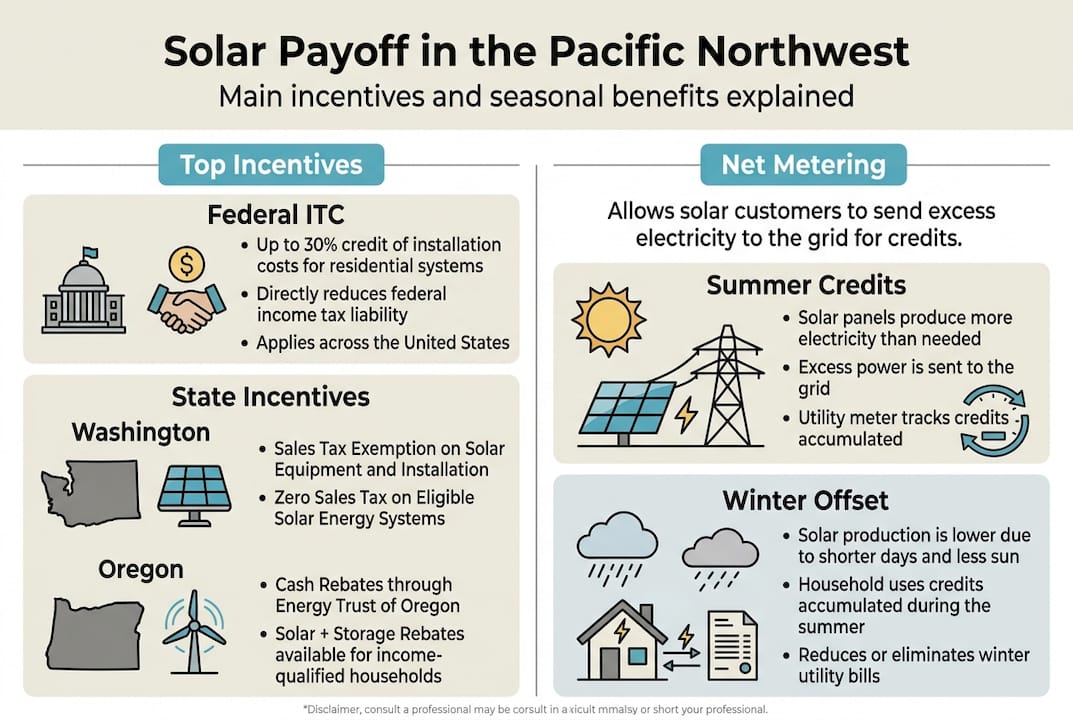
The WA sales tax exemption saves $1,400 to $2,500 on qualifying systems, while Oregon’s ETO rebates can reach $5,000 for larger installations. These amounts are not trivial and they can dramatically compress your payback period.
To claim these benefits, most homeowners follow this process:
- Get a solar assessment and system design from a certified local installer.
- Confirm your installer is approved for WA and OR incentives.
- Apply for state rebates before or during installation, as some programs require pre-approval.
- Monitor your utility credits monthly through your net metering account.
Pro Tip: If you are considering leasing solar in Washington, be aware that lease agreements typically transfer the tax credit to the installer, not you. Ownership almost always delivers better long-term financial returns.
Factors that shape ROI: Risks, edge cases, and expert tips
Not every solar installation delivers a textbook payback timeline. Several variables can either accelerate your return or extend it well beyond expectations. Understanding these factors before you commit is essential.
The biggest positive drivers of solar ROI include:
- High electricity consumption: The more you currently pay in utility bills, the faster solar pays back.
- Optimal roof orientation: South-facing roofs at a moderate pitch produce the most annual energy in the PNW.
- Full incentive capture: Homeowners who claim every available credit and rebate see the fastest payback.
- Battery storage: Adding storage qualifies you for Oregon battery incentives of $320 to $400 per kWh and improves resilience during outages.
On the other side, some situations can seriously extend the payback period. One Reddit user in the Pacific Northwest reported a 49-year payoff scenario due to high installation costs combined with lower-than-expected production. While this is an outlier, it highlights a real risk: overpaying an installer or undersizing your system relative to your consumption can undermine the entire investment.
“The gap between a well-planned solar project and a poorly planned one is often measured in decades, not just dollars.”
Other common pitfalls homeowners encounter:
- Choosing an installer based on price alone rather than local experience and incentive knowledge.
- Ignoring partial shading from trees or chimneys that cuts output significantly.
- Failing to account for future energy needs, such as an electric vehicle or heat pump.
- Underestimating the value of summer surplus production via net metering.
Pro Tip: Before finalizing your system size, ask your installer to model your expected summer surplus and winter credit usage based on your actual utility history. This gives you a realistic picture of your year-round energy flow.
Reviewing the full pros and cons of solar for your specific home situation is a smart step before committing to any system design.
Our take: What most solar shoppers miss in the Pacific Northwest
After working with homeowners across Washington and Oregon for nearly two decades, we have seen a consistent pattern. The homeowners who get the most long-term value from solar are not necessarily the ones who acted fastest. They are the ones who planned carefully.
Conventional wisdom tends to underestimate what a well-designed system can do in a cloudy climate. The PNW’s long summer days produce significant surplus energy that, through net metering, carries real value into winter. That seasonal dynamic is frequently overlooked during the buying decision.
The biggest payoffs consistently go to homeowners who: maximize every available incentive before installation, design their system with summer surplus in mind, and build in battery storage from the start or plan for it early. Many homeowners who regret their solar experience rushed the installer selection process or failed to ask hard questions about projected output and actual costs.
Balancing the pros and cons of solar honestly, rather than focusing only on best-case savings, is what separates a smart investment from a disappointing one. Long-term ownership is the frame that matters most here, not just the first-year bill reduction.
Take the next step toward solar savings
If this guide has clarified what solar can realistically deliver for your home, the next step is getting a detailed assessment from a team that knows Washington and Oregon inside and out.
At A&R Solar, we are employee-owned, B Corporation certified, and have spent nearly 20 years delivering solar installations across the Pacific Northwest. You can explore our real residential case studies to see actual results from local homeowners, or browse our residential projects for a broader view of what we have built. If battery backup is on your radar, learn more about our battery storage options and how they fit into a complete energy solution. We handle permits, design, installation, and ongoing support so you never have to navigate this alone.
Frequently asked questions
How long does it take solar panels to pay for themselves in Washington and Oregon?
Payback typically takes 10 to 16 years in Washington and 8 to 12 years in Oregon, depending on location, incentives used, and system size. Oregon’s stronger rebate programs and slightly higher utility rates contribute to its faster average return.
Do solar panels work well in cloudy climates like the Pacific Northwest?
Yes. Modern panels produce electricity on overcast days because they are designed to capture diffused light, not just direct sun. Germany produces a large share of its electricity from solar despite having less annual sunlight than Seattle.
What incentives are available for solar in Washington and Oregon?
Washington offers a sales tax exemption on solar equipment, while Oregon features Energy Trust of Oregon cash rebates. WA exemptions save $1,400 to $2,500 and OR rebates reach up to $5,000.
How does net metering benefit solar owners?
Net metering lets you bank excess summer production as credits that offset your winter utility bills. This seasonal balancing is especially valuable in the Pacific Northwest, where summer output can be substantially higher than winter output.
What factors can reduce the long-term value of solar?
Low sunlight exposure, high installation costs, poor roof orientation, and subpar installer choices can all delay or reduce ROI. In extreme cases, high costs combined with low production have extended payback periods far beyond typical projections, making installer selection and thorough system planning critical.