

TL;DR:
- Effective energy savings in the Pacific Northwest require prioritizing air sealing, insulation, and moisture management tailored to local climate conditions. Implementing smart thermostats, household habits, and renewable incentives can significantly reduce long-term costs and promote energy independence. Consulting regional experts and utilizing local rebate programs optimize investments and ensure sustainable, region-specific energy efficiency.
Cutting your energy bills in Washington and Oregon is not as simple as turning off a few lights. The Pacific Northwest climate, with its mild but persistently wet winters and aging housing stock, creates specific challenges that generic energy saving tips for homeowners often ignore completely. This article walks you through the criteria that actually matter for your region, the upgrades and habits with the highest payoff, and the renewable incentives that can reduce your costs for years to come. Whether your goal is a lower monthly bill or long-term energy independence, you will find a clear, practical path forward here.
Table of Contents
- Understanding key criteria for energy savings in Pacific Northwest homes
- Top energy-saving home upgrades and habits for Washington and Oregon
- Air sealing and insulation: the foundation for energy savings in your home
- Smart thermostats and HVAC maintenance: boost efficiency with technology and upkeep
- Considering renewable options: solar power and storage incentives in Washington and Oregon
- Comparing energy-saving strategies and making the right choices for your home
- Why typical energy-saving advice falls short in the Pacific Northwest and what really works
- Explore professional solar and energy services tailored for Washington and Oregon homes
- Frequently asked questions
Key Takeaways
| Point | Details |
|---|---|
| Thermostat management | Maintain steady temperatures and limit setbacks to 3 degrees for heat pump efficiency in the Pacific Northwest. |
| Air sealing importance | Proper sealing can reduce heating energy loss by up to 60%, equivalent to leaving a window open year-round. |
| Use smart technology | Smart thermostats can save about 8-10% on utility bills by adjusting heating when unoccupied. |
| Leverage available rebates | Oregon and Washington offer significant rebates for solar panels, battery storage, and smart thermostats to reduce upgrade costs. |
| Comprehensive upgrades | Combine insulation, HVAC maintenance, smart controls, and renewable options for the best energy savings and comfort. |
Understanding key criteria for energy savings in Pacific Northwest homes
Before you spend a dollar on upgrades, it helps to understand where energy is actually escaping from your home. The Pacific Northwest presents a specific set of conditions: mild but damp winters, older homes with minimal insulation, and heating systems that run for months on end. These conditions mean the selection criteria for effective energy-saving measures are different here than in, say, Phoenix or Chicago.
Energy Trust of Oregon reports that homes lose up to 60% of heating energy through inefficient equipment, poor insulation, and air leaks. That is not a rounding error. That is the majority of the energy you are paying for every month, leaving your home before it can keep you warm.
When evaluating which measures to prioritize, consider these key factors:
- Insulation level: Most PNW homes built before 2000 have well below current code standards in attics, walls, and crawl spaces.
- Air sealing quality: Gaps around plumbing, electrical penetrations, and chimneys are major leakage points in wet climates.
- HVAC equipment type and efficiency: Heat pumps, which are common in the region, have unique operating needs that affect which habits actually save energy.
- Climate suitability: The mild, wet winter climate means moisture management is as important as thermal performance.
- Rebate eligibility: Oregon and Washington both offer rebates that reward verified, measurable energy savings, which means some upgrades pay back faster here than elsewhere.
Understanding oregon solar incentives alongside efficiency upgrades helps you plan a complete energy strategy rather than reacting to each utility bill separately.
Top energy-saving home upgrades and habits for Washington and Oregon
Now that you know the key criteria, here are the tangible upgrades and daily habits that consistently deliver results for PNW homeowners. These are ranked roughly by ease of implementation, not necessarily by savings potential.
- Install a smart thermostat. Smart thermostats save about 8% on utility bills by adjusting when the home is unoccupied. Many local utilities offer rebates to lower the purchase cost.
- Program thermostat setbacks strategically. Setting your thermostat back 8 degrees for 8 hours saves up to 10% on heating and cooling costs annually. For heat pump homes, keep setbacks smaller (more on that below).
- Set your water heater to 120°F. Water heating accounts for about 18% of home energy use, and 120°F is the sweet spot: enough hot water, no scalding risk, and lower standby energy loss.
- Maintain your HVAC filter monthly. Clogged filters force your system to work harder, especially in the PNW’s damp air conditions where dust and moisture accumulate faster.
- Use south-facing windows to your advantage. Open curtains on south-facing windows during daylight to capture free solar heat, then close them at night to retain it.
- Plant deciduous trees on the south side of your home. They provide shade in summer and allow full sunlight in winter once leaves drop, reducing both cooling and heating loads passively.
- Use ceiling fans to supplement cooling. Running a ceiling fan in summer on the counterclockwise setting creates a wind-chill effect and reduces air conditioning load.
Pro Tip: If you are considering solar panels for your home, pairing that investment with these habit changes first means your system can be sized smaller, reducing upfront costs.
Air sealing and insulation: the foundation for energy savings in your home
With habits and upgrades covered, one area homeowners consistently underestimate deserves a dedicated look: air sealing and insulation. These are not glamorous upgrades, but they are where the largest financial returns hide.
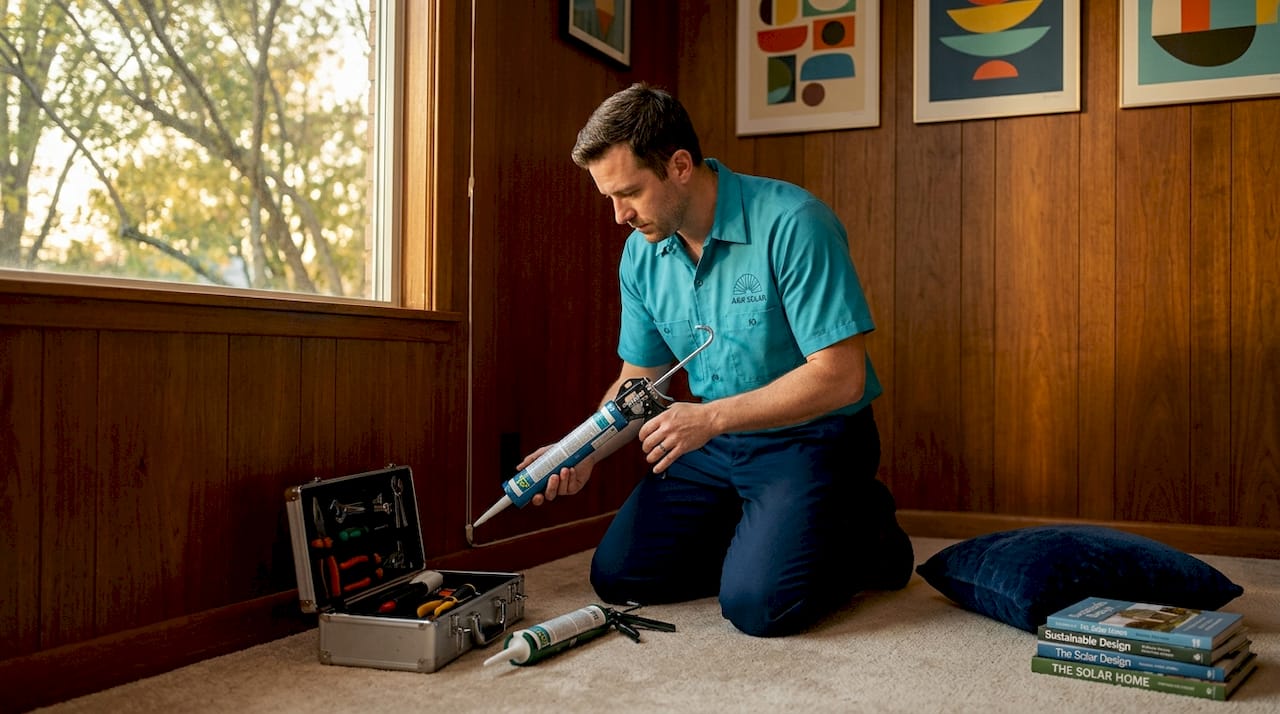
Air sealing prevents losses equivalent to leaving a window open year-round, accounting for up to 60% of heating energy waste in typical homes. That single fact should move air sealing to the top of your upgrade list. Importantly, air sealing must happen before insulation. In wet PNW climates, insulating over leaks traps moisture in wall cavities, which leads to mold and structural damage over time.
Key action points for this area:
- Schedule an infrared audit. Infrared cameras reveal hidden air leaks around plumbing penetrations, recessed lighting, and chimney chases that are invisible to the naked eye.
- Seal before you insulate. Apply caulk and spray foam to identified gaps before adding any insulation material.
- Use blown cellulose in walls. Cellulose is vapor-permeable, which reduces moisture risk in PNW wall assemblies compared to closed-cell foam alternatives.
- Bring attic insulation up to R-60. Washington State Energy Code requires R-60 in attics, yet many existing homes fall well short of this, contributing to 10% or higher energy bills.
- Seal and insulate your ducts. Leaky ducts can waste a substantial portion of conditioned air before it reaches living spaces.
Pro Tip: Rugs on bare hardwood or tile floors above unconditioned crawl spaces add measurable heat retention where floor insulation is lacking or thin.
| Area | Recommended upgrade | Estimated savings |
|---|---|---|
| Attic | Insulate to R-60 | 10-15% on heating costs |
| Walls | Blown cellulose after sealing | 5-10% on heating costs |
| Air leaks | Full air sealing package | Up to 20% on total energy |
| Ducts | Seal and insulate duct runs | 10-20% on HVAC costs |
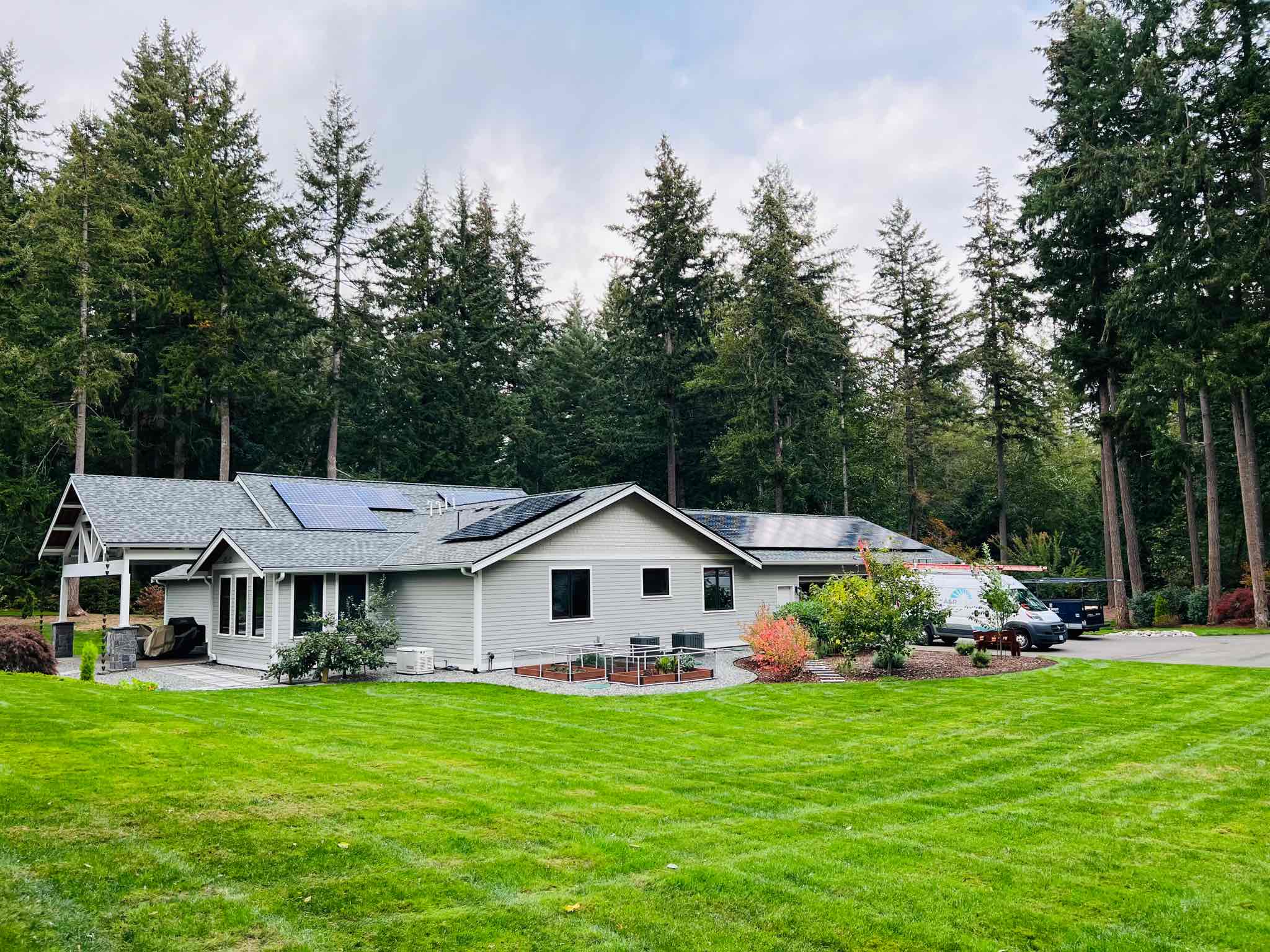
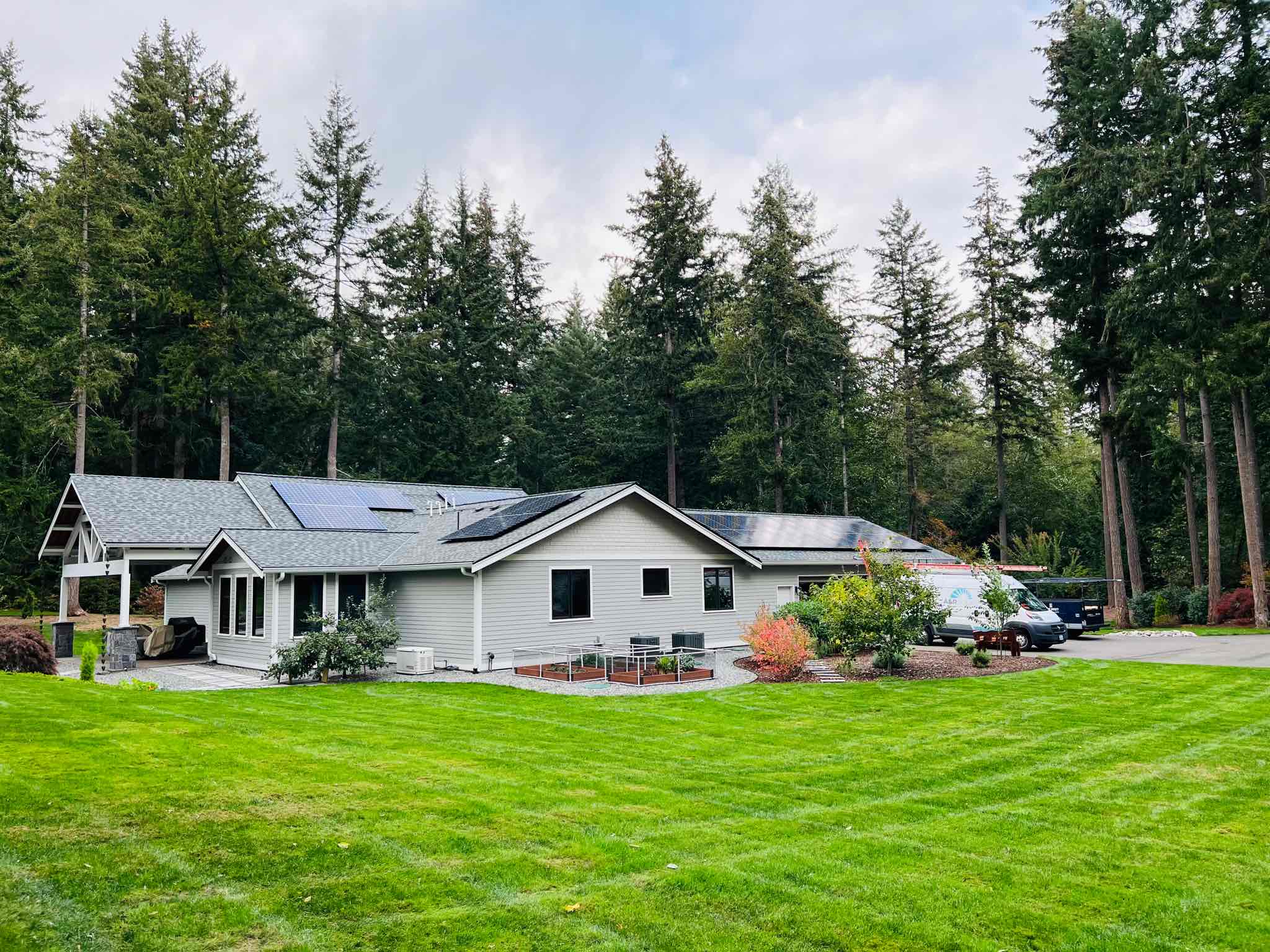
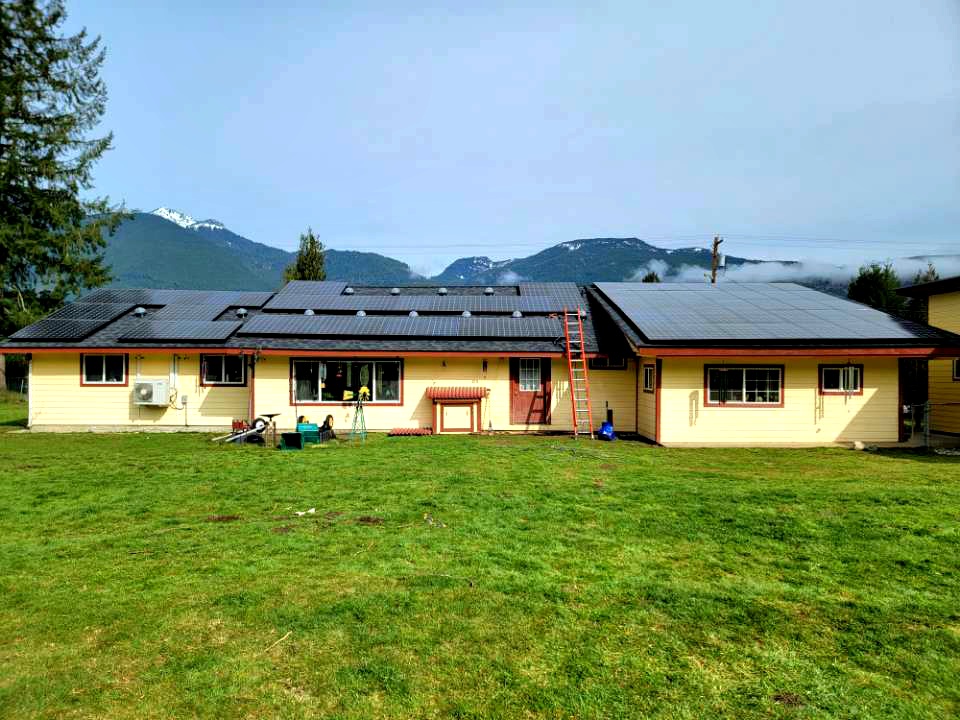
For inspiration on what these projects look like in real homes, see residential energy projects from homeowners across Washington and Oregon.
Smart thermostats and HVAC maintenance: boost efficiency with technology and upkeep
After sealing and insulation, smart controls and consistent upkeep can add another layer of savings without major investment. This is also where some regional nuance matters most.
Smart thermostats save 8-10% on utility bills by learning household schedules and adjusting automatically when the home is empty. But the savings depend on using them correctly. For homes with heat pumps, which cover a large share of PNW households, large temperature setbacks reduce efficiency because the system must work significantly harder to recover the temperature. Limit overnight setbacks to 3 degrees for heat pump homes.
| Feature | Basic programmable | Smart thermostat |
|---|---|---|
| Schedule programming | Manual | Learns automatically |
| Remote access | No | Yes, via app |
| Rebate availability | Limited | Widely available |
| Estimated annual savings | 5-7% | 8-10% |
| Best for heat pump homes | Yes, with limits | Yes, with PNW settings |
Puget Sound Energy offers rebates for smart thermostats, with higher amounts for income-qualified households. Similar programs exist through Portland General Electric and Pacific Power in Oregon.
On the maintenance side, changing HVAC filters monthly is particularly important in the PNW. Damp air carries more particulate matter, and filters can restrict airflow faster than in drier climates. Annual professional HVAC maintenance keeps the system running at rated efficiency and catches problems before they become expensive.
Pro Tip: Before purchasing a smart thermostat, check your utility’s website for rebate eligibility. Many programs cover 50-100% of the device cost, making the upgrade essentially free.
For homes with existing solar systems, solar repair services Washington can also include system performance checks that help you align energy production with optimized home consumption patterns.
Considering renewable options: solar power and storage incentives in Washington and Oregon
With efficiency upgrades and maintenance strategies in place, renewable energy becomes the logical next step for homeowners who want long-term bill reduction and grid independence.
Oregon is currently one of the more attractive states for solar investment, with several active programs:
- Oregon Solar + Storage Rebate Program: Offers up to $5,000 for solar installations and $2,500 for battery storage, launching June 15, 2026. The program makes $11 million available to Oregon households.
- Oregon HOMES Program: Requires a minimum 20% projected energy savings from qualifying upgrades and offers rebates up to $10,000 for comprehensive home energy improvements.
| Program | Max rebate | Storage included | Income qualification required | Available |
|---|---|---|---|---|
| OR Solar + Storage Rebate | $5,000 solar / $2,500 storage | Yes | Varies by tier | June 2026 |
| Oregon HOMES | Up to $10,000 | Depends on project | Some tiers | Active |
Pro Tip: Aligning your efficiency upgrades with the Oregon HOMES program’s 20% savings requirement before adding solar can unlock stacked rebates from both programs simultaneously.
Explore Oregon solar incentives details and home battery backup options to see what combinations make financial sense for your household.
Comparing energy-saving strategies and making the right choices for your home
Bringing all options together makes it easier to see where to start and what to prioritize based on your budget and home type.
| Strategy | Typical cost | Savings potential | Complexity | Best for |
|---|---|---|---|---|
| Thermostat setback habits | $0 | Up to 10% on HVAC | Low | All homes |
| Smart thermostat | $100-$250 | 8-10% on HVAC | Low | All homes |
| Air sealing | $500-$2,500 | Up to 20% on energy | Medium | Older homes |
| Attic insulation to R-60 | $1,500-$4,000 | 10-15% on heating | Medium | Pre-2000 homes |
| Solar installation | $15,000-$30,000 | 50-100% on electricity | High | Homes with solar access |
Setting thermostat back 8 degrees saves up to 10% annually, and smart thermostats add another 8% on average, so combining both approaches delivers measurable results at low cost. Larger investments in air sealing, insulation, and solar deliver proportionally larger returns over time.
Key factors to weigh before deciding:
- Budget: Start with no-cost habit changes, then move to low-cost upgrades, then higher-investment projects.
- Home type and age: Older homes typically have the most to gain from sealing and insulation.
- Climate zone: Homes in Eastern Washington face colder winters, increasing the ROI on insulation.
- Rebate eligibility: Check income thresholds and program deadlines before planning projects.
- Energy audit results: A professional audit removes guesswork and prioritizes upgrades by actual impact.
Pro Tip: Combining small daily habits with targeted strategic investments produces better results than either approach alone. See top NW renewable upgrades for regional examples with real numbers.
Why typical energy-saving advice falls short in the Pacific Northwest and what really works
Most home energy efficiency articles are written for a national audience, which means they routinely give advice that does not translate well to Pacific Northwest conditions. Two examples stand out.
The first is aggressive thermostat setbacks at night. Standard advice says: drop the temperature 10 degrees when you sleep and save big. That works well for gas furnace homes. But for heat pump homes, which are common across western Washington and Oregon, large setbacks reduce efficiency because heat pumps need to run for extended periods to recover large temperature drops, often at lower efficiency ratings in cold, damp air. A 3-degree setback, not 10, is the right approach here.
The second is the insulation-first mindset. Many homeowners read that insulation is the top priority and add it without sealing air leaks first. In the PNW’s wet climate, that sequence traps moisture in wall and ceiling assemblies, creating conditions for mold, rot, and long-term structural damage. The correct sequence is: audit, seal, then insulate.
There is also a broader problem with how-to-save-energy-at-home content: it rarely accounts for local rebate programs that dramatically change the math. Oregon and Washington homeowners who take the time to understand program eligibility before choosing upgrades often recover their investment in years, not decades. Consulting with an auditor or solar consulting in Northwest regions means you are acting on real data about your specific home, not averages.
Generic national advice is a starting point. For Pacific Northwest homes, local expertise and verified audits are where real savings begin.
Explore professional solar and energy services tailored for Washington and Oregon homes
Taking the steps outlined in this article is a strong start. But the homeowners who achieve the largest and most lasting savings are those who work with professionals who know the regional incentive landscape, understand local climate conditions, and can design systems around their specific home.
A&R Solar has spent two decades helping Washington and Oregon homeowners move from high utility bills to energy independence. As a local, employee-owned B Corporation, they provide full-service support from initial system design through installation, maintenance, and repair. Browse residential solar projects to see real results from Pacific Northwest homes like yours. If you already have a solar system, solar repair services Washington keeps your investment performing at its best. Ready to add storage? Explore home battery storage solutions designed specifically for the Northwest grid. The next step toward lower bills and energy resilience starts with a conversation.
Frequently asked questions
What is the most cost-effective thermostat setting strategy for PNW homes?
For homes with heat pumps in the Pacific Northwest, maintaining a steady temperature and limiting setbacks to 3 degrees is more efficient than large temperature drops at night, since heat pumps run most efficiently at steady temps and struggle to recover large temperature differences in cold, damp conditions.
How much energy can I save by properly sealing air leaks in my home?
Sealing air leaks can prevent losses equivalent to leaving a window open year-round, and homes lose up to 60% of heating energy through air leaks, making this one of the highest-impact improvements available to homeowners.
Are there rebates available for installing solar panels in Oregon?
Yes. The Oregon Solar + Storage Rebate Program offers up to $5,000 for solar installations and $2,500 for battery storage starting June 15, 2026, with additional of state rebates.
What temperature should I set my water heater to save energy?
Set your water heater to 120°F: water heating accounts for about 18% of home energy use, and 120°F reduces standby energy loss while eliminating scalding risk at the tap.