

TL;DR
Small offices and retail spaces in Washington and Oregon often have steady daytime usage that lines up well with solar production.
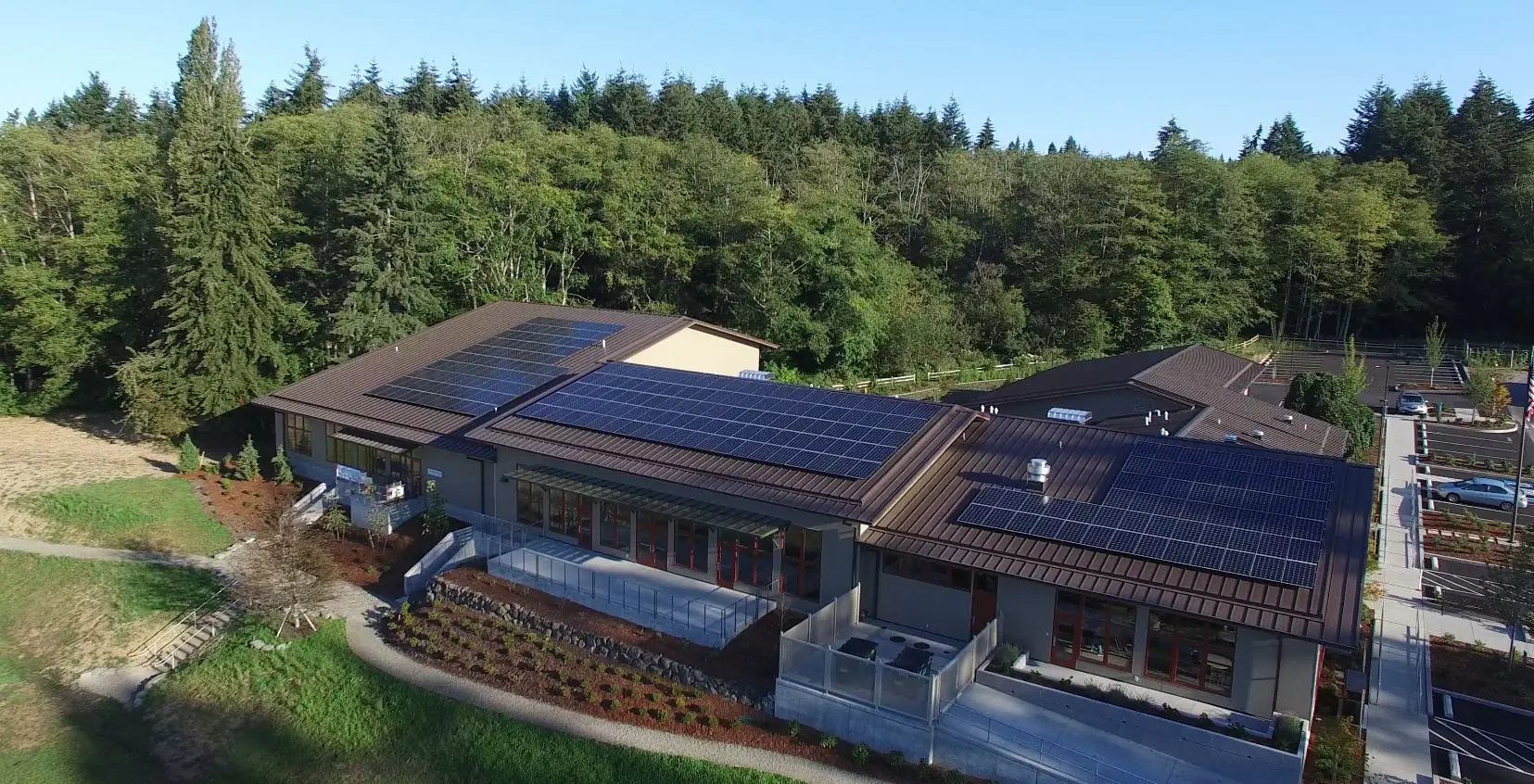
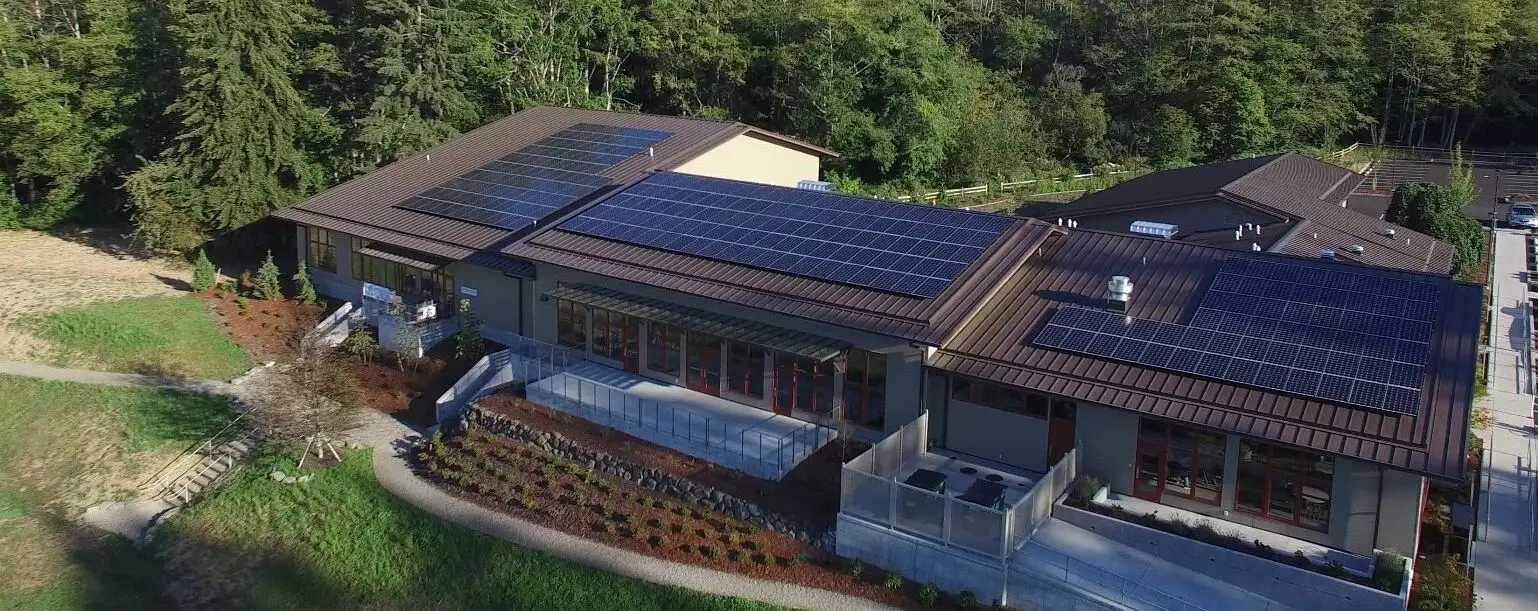
While these roofs may not host huge systems, even modest arrays can trim operating expenses, hedge against future rate increases, and support sustainability goals.
Intro
When people picture commercial solar, they tend to imagine massive warehouses or industrial facilities. In reality, many of the most straightforward projects in the Pacific Northwest are small offices, clinics, and retail spaces with predictable daytime energy use.
If you manage or own a smaller commercial property, understanding how solar fits into your specific footprint, schedule, and utility rates can help you decide whether it’s worth exploring.
Key Takeaways
- Small commercial buildings with consistent daytime operations are often good fits for solar.
- Roof size, structural considerations, and aesthetics all play into system sizing for offices and retail.
- The value comes from offsetting daytime kWh, managing long-term energy costs, and supporting ESG or community commitments.
- Clear data on usage and demand charges is essential for a realistic assessment.
Why Small Offices and Retail Spaces Are a Good Fit
Many small commercial buildings in the PNW share a few helpful traits: they operate primarily during the day, have moderate but steady loads (lighting, HVAC, computers, point-of-sale systems), and often have some usable roof area.
Because these loads line up with daylight hours, a well-sized solar array can directly serve a significant portion of the building’s real-time usage. That means less energy purchased from the grid during business hours, which is when some rate structures can be higher.
Even if the roof isn’t large enough for a system that covers the entire annual load, offsetting a portion of daytime consumption can still meaningfully impact the bill over the life of the system.
Design Considerations for Smaller Commercial Roofs
Designing solar for a small office or retail space is partly a technical exercise and partly a design conversation.
On the technical side, a designer will look at roof area, orientation, structural capacity, and shading to determine how many panels can be installed safely and effectively. They’ll also review at least 12 months of utility bills to understand total kWh, demand charges, and any seasonal patterns.
On the design and business side, there may be considerations like visibility from the street, branding, or signage. Some owners like the look of panels and want them visible as a statement; others prefer them tucked away where they don’t change the building’s appearance from the front.
The final system size is often a balance between physical constraints, budget, and the percentage of load the business wants to offset.
What the Bill Impact Typically Looks Like
For small offices and retail spaces, solar tends to show up on the bill as a reduction in the energy (kWh) portion of charges during operating hours. When the sun is shining and the business is open, the building simply draws less from the grid.
Depending on the utility and rate structure, demand charges may or may not be significantly affected. If the highest demand spikes occur during sunny hours and the system is large enough, solar can sometimes trim peaks. In other cases, demand is driven by short-lived events or off-hours loads that solar doesn’t fully capture.
A solid analysis will model both energy and demand impacts and express them in familiar terms—how much the average monthly bill might change, what the simple payback looks like, and how the system performs over a range of assumptions rather than just a single best-case scenario.
The Non-Financial Benefits
While numbers matter, many small businesses in Washington and Oregon also care about how solar fits into their story.
Panels on the roof can be a visible sign of commitment to sustainability, which may resonate with customers, staff, and the local community. For professional offices, clinics, or retail spaces, solar can be a concrete way to align daily operations with stated values about climate and responsibility.
Additionally, some businesses view solar as a way to differentiate themselves in competitive markets or to meet internal ESG goals without relying solely on purchased offsets.
Closing
Solar isn’t only for massive facilities. Small offices and retail spaces in the Pacific Northwest can also benefit from well-designed systems that align with their usage patterns and financial goals.
If you manage or own a smaller commercial building, start by pulling a year of electric bills and noting your typical hours of operation. With that information, a qualified installer can help you understand what solar might do for your specific site—on the bill and in the story you tell your customers.