

At Food Lifeline’s Hunger Solution Center in Seattle, walk-in coolers and freezers keep fresh food ready for distribution across Western Washington. Keeping that food cold takes electricity. Now the roof can help cover some of that cost.
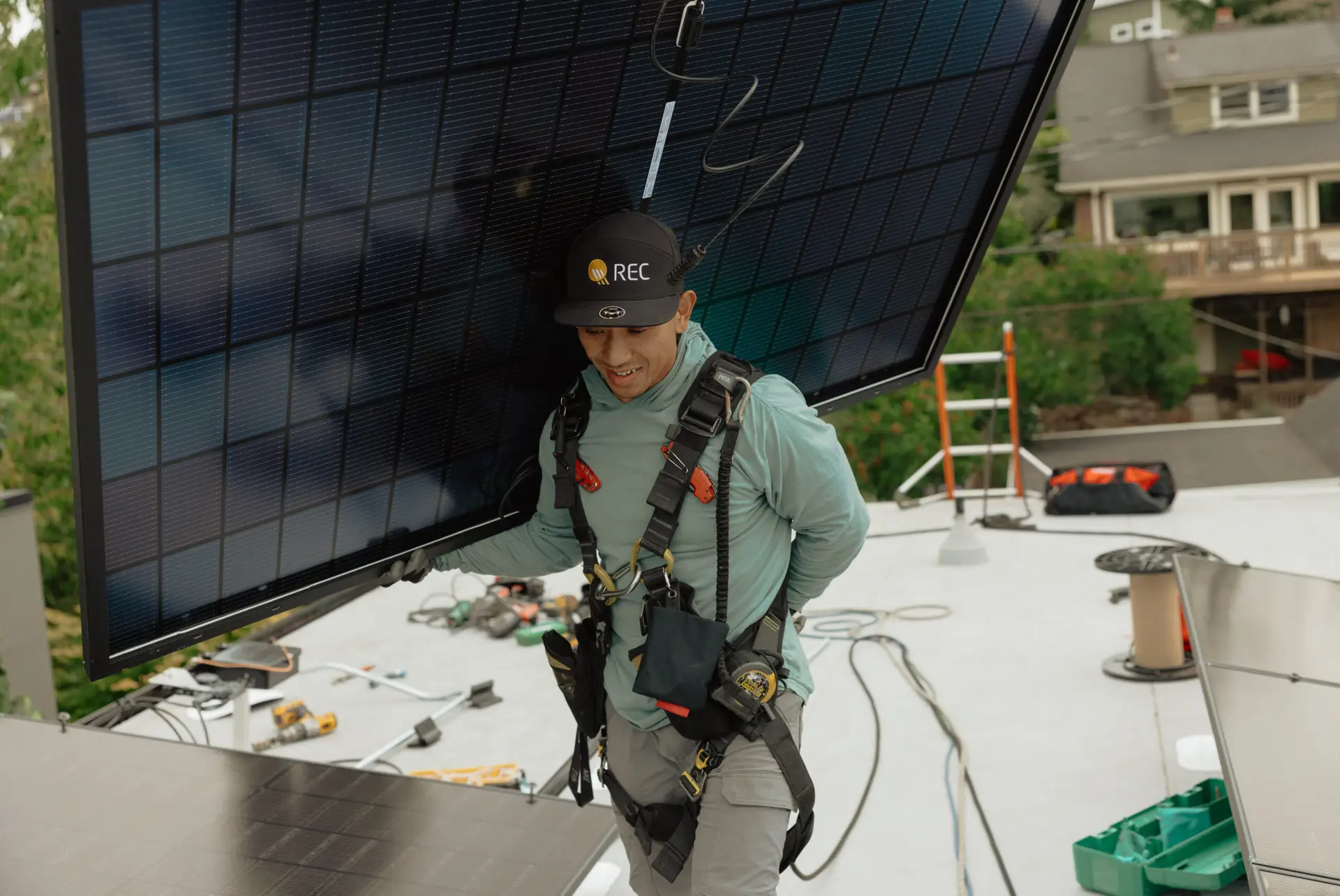
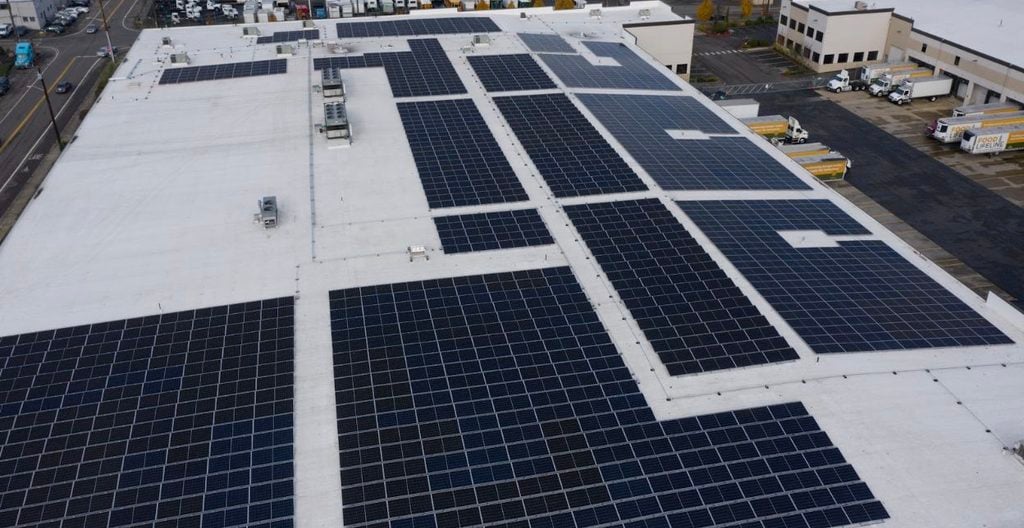
A&R Solar has completed the rooftop installation of more than 1,400 solar panels at the 80,000-square-foot facility. The project is designed to lower Food Lifeline’s electricity bills so more of its budget can support hunger relief.
What lower electricity bills could mean for Food Lifeline
Food Lifeline distributes food through food banks, meal programs, shelters and other community partners. Its Seattle facility stores fresh produce, protein, eggs and dairy before they go out to those partners.
Before the installation, Food Lifeline reported spending about $16,000 a month on electricity. The nonprofit estimated the solar array could reduce that bill by 25% to 75%, or roughly $4,000 to $12,000 a month. Actual savings will vary with how much electricity the system generates, how much the facility uses and what the utility charges.
“Every dollar Food Lifeline saves on energy is a dollar they can invest back into serving people across our region,” said Evan Manderbach, CEO of A&R Solar, in Food Lifeline’s project announcement.
Putting the warehouse roof to work
Installation began in July 2026. The flat warehouse roof gave the project room for an array that spans about 50,000 square feet, according to Food Lifeline’s October project update. The array makes use of space the nonprofit already has, while the warehouse below continues to serve as a hub for food distribution.
With rooftop installation complete, commissioning, inspections and utility approval are the steps that bring a system like this into service. Once the system is operating, Food Lifeline can track how much electricity it produces and compare actual utility bills with its original estimates.
How Food Lifeline funded the project
Food Lifeline reported that grants from Washington State University and Seattle City Light, together with federal incentives, covered the approximately $2 million upfront installation cost. For nonprofits exploring solar, it’s worth looking at grants and utility programs alongside the installation cost and projected electricity savings. Funding and eligibility vary by project.
Support Food Lifeline or explore solar for your organization
To support hunger relief in Western Washington, visit Food Lifeline to donate or volunteer.
If you’re evaluating solar for a nonprofit or commercial property in Washington or Oregon, explore commercial solar with A&R Solar. We can help you understand what your site can support, what the project might save and which funding options are worth exploring.